
Did you know the diffference between ACP Panel and Solid Aluminium

Did you know the diffference between ACP Panel and Solid Aluminium

Did you know the difference between ACP Panel and Solid Aluminium

Choosing the right material for a building façade, signage, awning, or interior application can affect the project’s appearance, installation process, durability, and overall cost.


Two commonly considered options are ACP panel and solid aluminium sheets. While both use aluminium, their structure and performance characteristics are different.


Understanding these differences can help contractors, designers, and business owners choose a material that better matches their project requirements.

What Is an ACP Panel? 

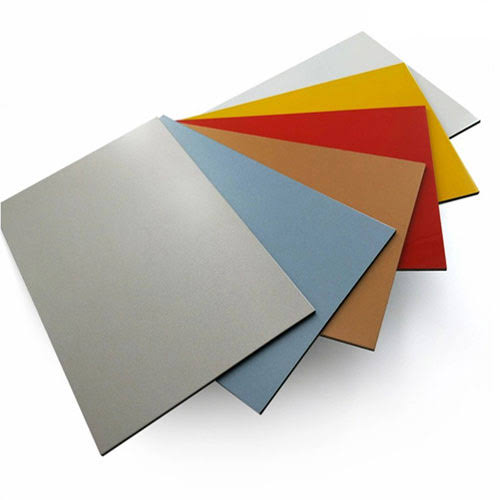
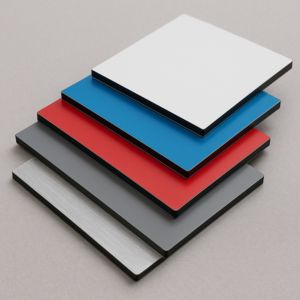
An ACP panel, or aluminium composite panel, consists of two aluminium sheets bonded to a core material. This composite structure provides a combination of lightweight construction, rigidity, and a smooth surface.


ACP panels are commonly used for building façades, signage, shopfronts, awnings, interior walls, ceilings, and decorative applications.


Different thicknesses, aluminium skin options, colours, and finishes are available depending on the intended application.

What Is Solid Aluminium? 

Solid aluminium is made from a single sheet of aluminium rather than a composite structure.


It is commonly selected when a project requires a solid metal sheet or specific structural characteristics. The material can also be fabricated into different shapes and forms depending on the project design.


However, the choice between solid aluminium and a composite panel should depend on the application’s requirements rather than simply choosing the heavier or more substantial material.

ACP Panel vs Solid Aluminium: Key Differences

Weight


Acp Panel


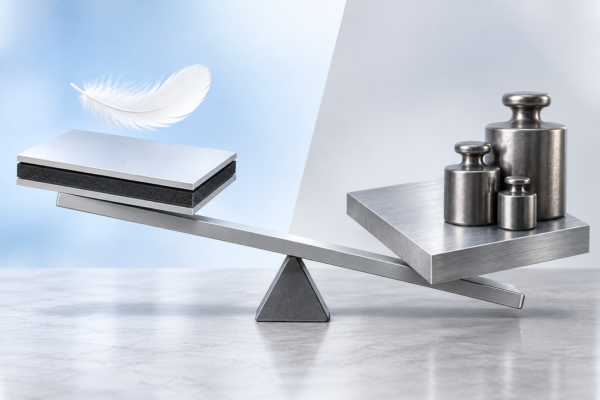
One of the main differences is the construction of the materials. The composite structure of an ACP panel allows it to provide rigidity while remaining relatively lightweight. This can make handling, cutting, fabrication, and installation more convenient. Solid aluminium is a single metal sheet, so its weight can vary considerably depending on the sheet thickness.


Rigidity & Flatness
 

Acp Panel


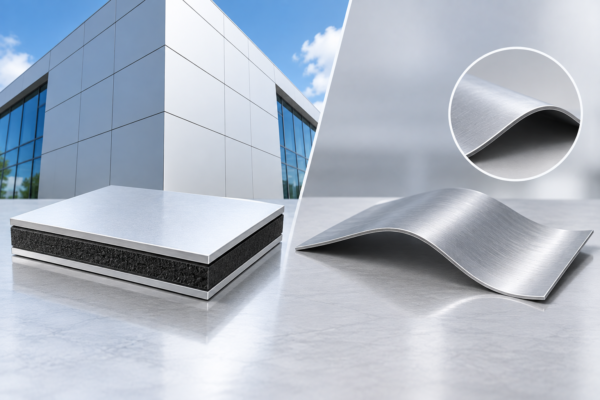
ACP panels are designed with an aluminium-composite-aluminium structure that provides good flatness and rigidity. This makes them suitable for applications where a smooth, consistent surface is important, such as façades, signboards, and wall cladding. Solid aluminium can also provide strength, but its performance depends more heavily on the selected thickness and fabrication method.


Appearance & Design Options
 

Acp Panel


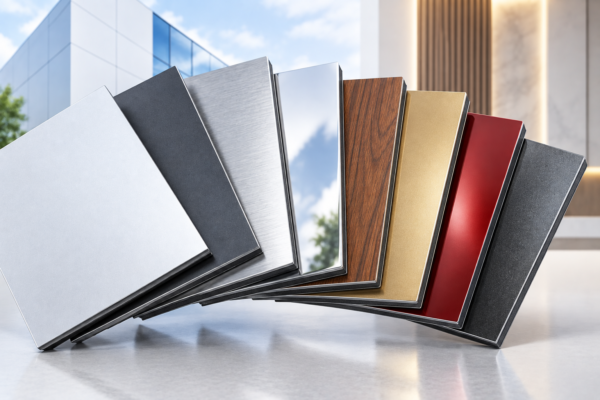
ACP panels are available in a wide range of colours and finishes.

Depending on the product, options can include:

  • Matte
  • Metallic
  • Wood-grain
  • Mirror
  • Brushed finishes

This gives designers more flexibility when creating modern commercial buildings, shopfronts, signage, and interior spaces.


Fabrication & Installation
 

Acp Panel


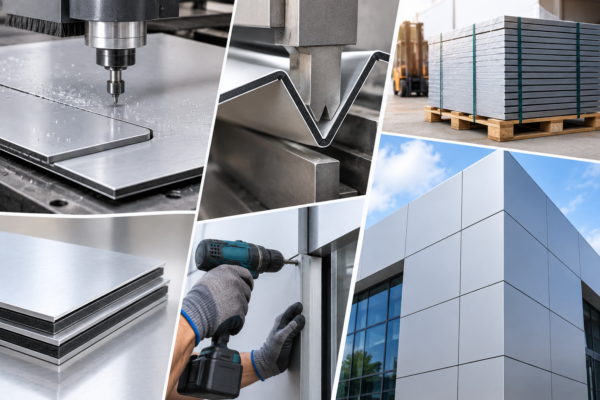
ACP panels can be cut, routed, folded, and fabricated for different applications. Their lightweight construction can also make transportation and installation more manageable, particularly for larger decorative or cladding projects. The fabrication method should still be selected according to the project design and installation requirements.


Outdoor Performance


Acp Panel


For outdoor applications, Malaysia’s tropical climate should also be considered. Strong sunlight, UV exposure, heat, and frequent rainfall can affect exterior materials. For more information about Malaysia’s weather and climate, refer to MetMalaysia. Strong sunlight, UV exposure, heat, and frequent rainfall can affect the appearance and long-term performance of exterior materials. When selecting an ACP panel for outdoor use, consider the aluminium skin, surface coating, core, weather resistance, and intended application.
 

When Should You Choose ACP Panel?

ACP panels can be a practical option when your project requires:

  • Lightweight cladding
  • A clean and modern appearance
  • Different colours and finishes
  • Easy fabrication
  • Signage and advertising panels
  • Shopfront or commercial applications
  • Interior decorative panels
  • Awnings and exterior features

For many architectural and commercial applications, the combination of appearance, rigidity, lightweight construction, and fabrication flexibility makes ACP a popular choice.

When Should You Consider Solid Aluminium? 

Solid aluminium may be more suitable when the project specifically requires a solid metal sheet or particular structural characteristics.

The decision should consider factors such as:

  • Required strength
  • Sheet thickness
  • Weight
  • Fabrication method
  • Installation requirements
  • Project budget
  • Intended environment

Rather than choosing based on material type alone, compare the specifications against the actual requirements of the project.

Which One Offers Better Value?

Feature
ACP Panel (Aluminium Composite Panel)
Solid Aluminium
Structure
Two aluminium sheets bonded to a core material.
A single, solid sheet of metal.
Weight
Relatively lightweight due to its composite structure, making transportation and handling convenient.
Varies considerably depending on the sheet thickness.
Rigidity & Flatness
Provides good flatness and a smooth, consistent surface.
Performance depends heavily on the selected thickness and fabrication method.
Appearance & Design
Available in a wide range of colours/finishes (matte, metallic, wood-grain, mirror, brushed).
Typically chosen when a project specifically requires a solid metal look/form.
Fabrication & Installation
Easy to cut, route, fold, and fabricate; lightweight construction makes installation more manageable.
Can be fabricated into different shapes and forms depending on project design.
Outdoor Performance
Needs consideration of aluminium skin, surface coating, and weather resistance against tropical elements.
Performance and required strength depend on thickness and fabrication methods.
Best Suited For
Lightweight cladding, signage, advertising panels, shopfronts, and interior decorative panels.
Projects specifically requiring a solid metal sheet, specific strength, or particular structural characteristics.

There is no single answer for every project.


An ACP panel may offer advantages in applications where lightweight construction, appearance, flatness, colour selection, and fabrication flexibility are important.


Solid aluminium may be preferred for projects where a solid metal sheet is specifically required.

The better choice is ultimately the material that provides the right balance of performance, appearance, fabrication, installation, and cost for the intended application.

Summary 

Both ACP panel and solid aluminium can be useful for construction and design applications, but they offer different characteristics.


ACP panels are particularly suitable for projects that require lightweight construction, good rigidity, attractive finishes, and fabrication flexibility.


The right choice depends on the application, environment, design, installation requirements, and budget.


If you’re unsure which material is suitable for your project, contact GB PLAS to discuss your requirements and explore the available options.