
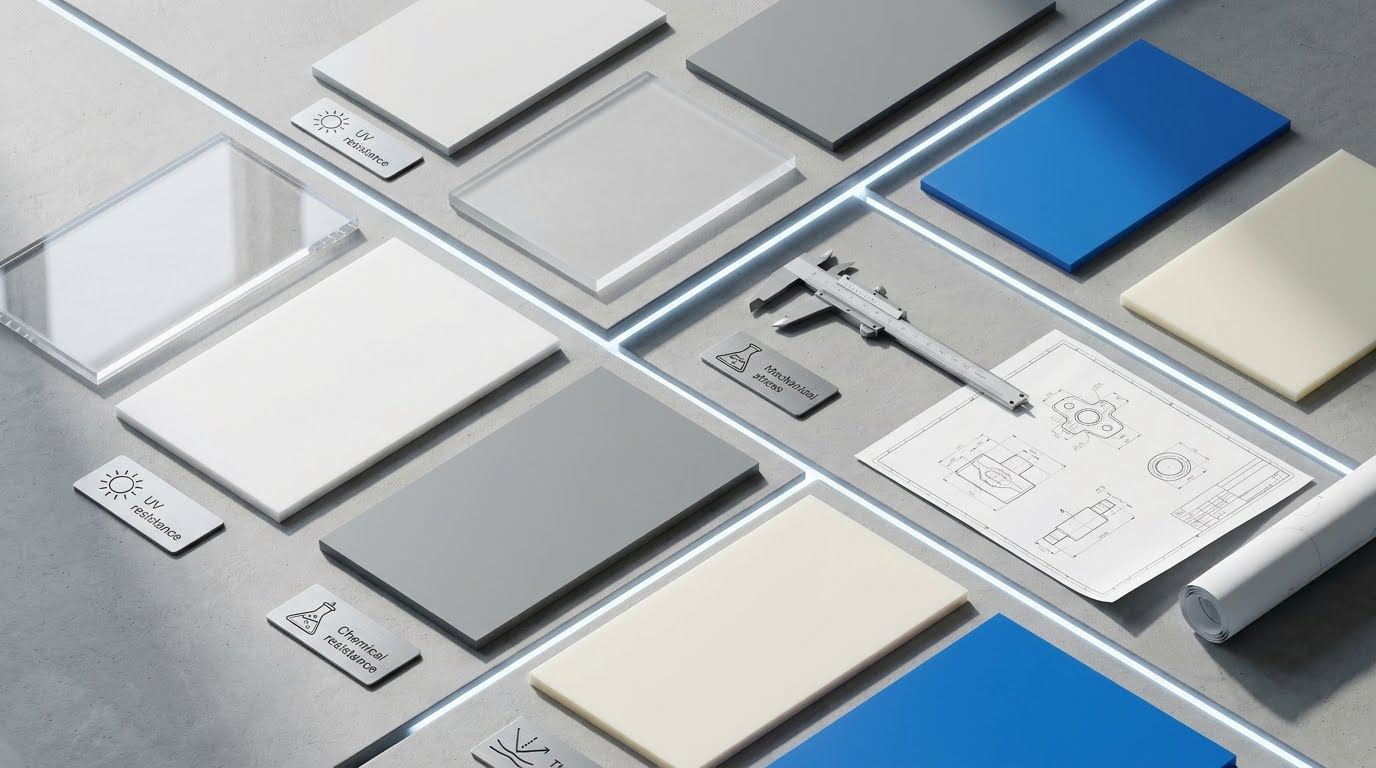
What Factors Affect the Lifespan of Industrial Plastic Sheets?
Industrial plastic sheets are widely used in manufacturing, construction, engineering, fabrication and various industrial applications. They are valued for their versatility, lightweight properties, corrosion resistance and ability to meet different application requirements.
However, not all plastic sheets have the same lifespan. Some can perform reliably for many years, while others may experience cracking, discolouration, deformation or surface deterioration much sooner than expected.
Understanding the factors that affect industrial plastic sheet lifespan helps businesses select suitable materials, maintain their performance and avoid unnecessary replacement costs.
Whether you are purchasing plastic sheets for manufacturing or looking for a reliable plastic supplier, knowing what influences material durability can help you make better purchasing decisions.
1. Material Type and Quality
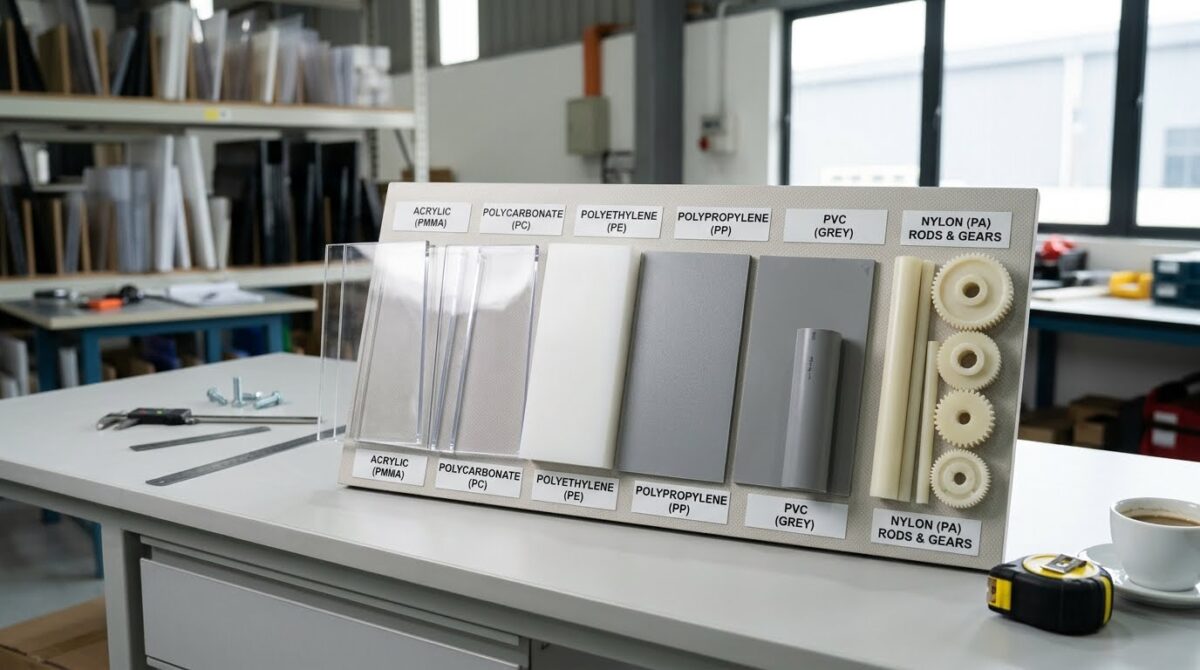
The type of plastic material is one of the most important factors affecting its lifespan. Different plastic materials have different physical, mechanical and chemical properties, making them suitable for different operating environments.
For example:
Polyethylene (PE): Commonly used for applications requiring chemical resistance, moisture resistance and impact resistance.
Polypropylene (PP): Offers good chemical resistance and is commonly used in industrial and chemical-handling applications.
Polyvinyl Chloride (PVC): Known for its chemical resistance and versatility in construction and industrial applications.
Acrylic (PMMA): Offers good optical clarity and weather resistance, making it suitable for display and glazing applications.
Polycarbonate (PC): Known for its high impact resistance and is used in applications requiring strength and transparency.
Nylon (PA): Provides good mechanical strength and wear resistance for selected engineering applications.
Choosing the wrong material for a particular environment may result in premature wear, cracking or deformation.
A reliable plastic supplier can help businesses understand the differences between available materials and identify suitable options based on their application requirements.
2. Exposure to Temperature
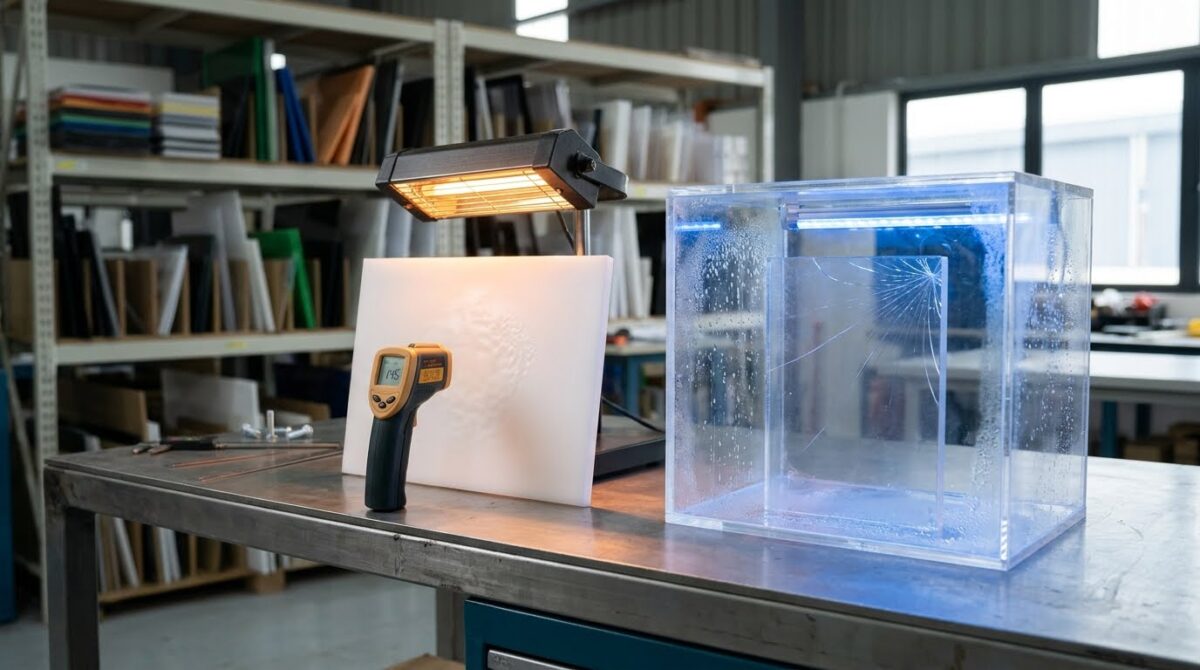
Temperature plays an important role in determining how long an industrial plastic sheet can maintain its performance.
Excessive heat may cause certain plastic materials to soften, expand, deform or lose mechanical strength. Prolonged exposure to elevated temperatures can also accelerate material ageing.
On the other hand, very low temperatures may make some plastics more brittle, increasing their susceptibility to cracking when exposed to impact or mechanical stress.
When selecting industrial plastic sheets, consider:
Normal operating temperature.
Maximum and minimum temperature exposure.
Whether temperature changes occur frequently.
Whether the material is exposed to direct heat sources.
Always check the manufacturer’s recommended service temperature range rather than assuming that all plastic materials can withstand the same conditions.
3. Chemical Exposure
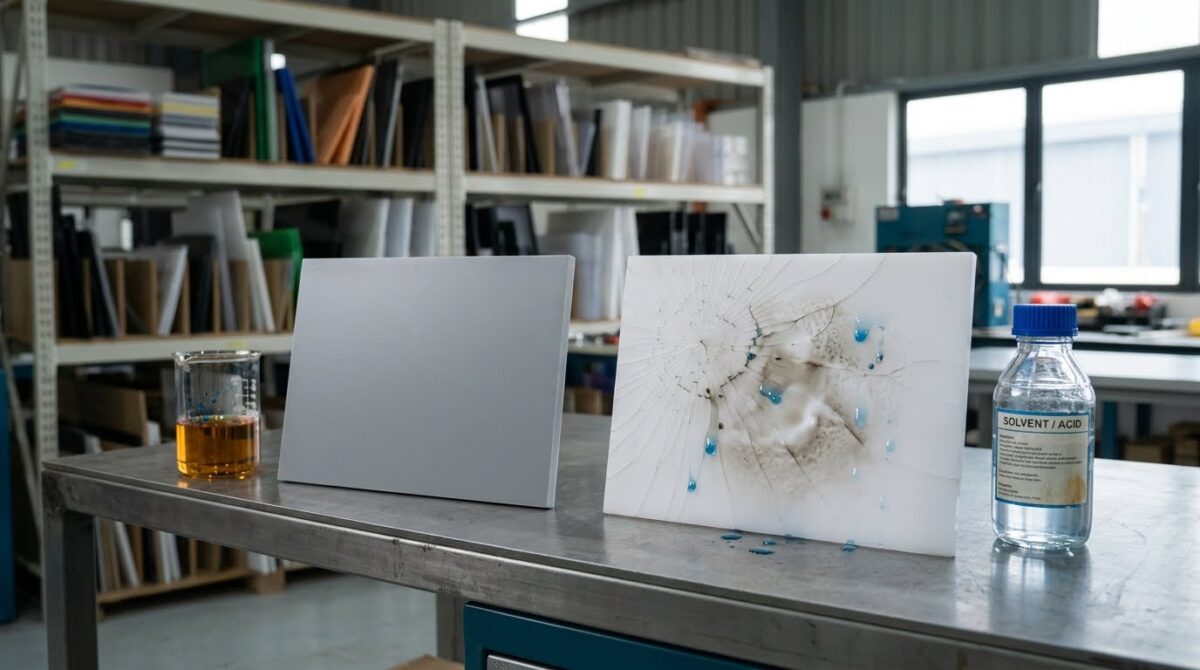
Industrial plastic sheets are sometimes exposed to oils, cleaning agents, solvents, acids, alkalis and other chemicals.
However, chemical resistance varies significantly between plastic materials.
Some plastics can withstand certain chemicals without significant deterioration, while others may experience:
Surface discolouration.
Swelling or softening.
Cracking or stress cracking.
Loss of mechanical strength.
Changes in surface appearance.
The level of chemical resistance depends on the plastic type, chemical concentration, temperature and duration of exposure.
Before selecting a plastic sheet, identify the chemicals it may come into contact with and verify the material’s compatibility.
A knowledgeable plastic supplier can help you identify suitable material options for your operating environment.
4. Exposure to Sunlight and UV Radiation
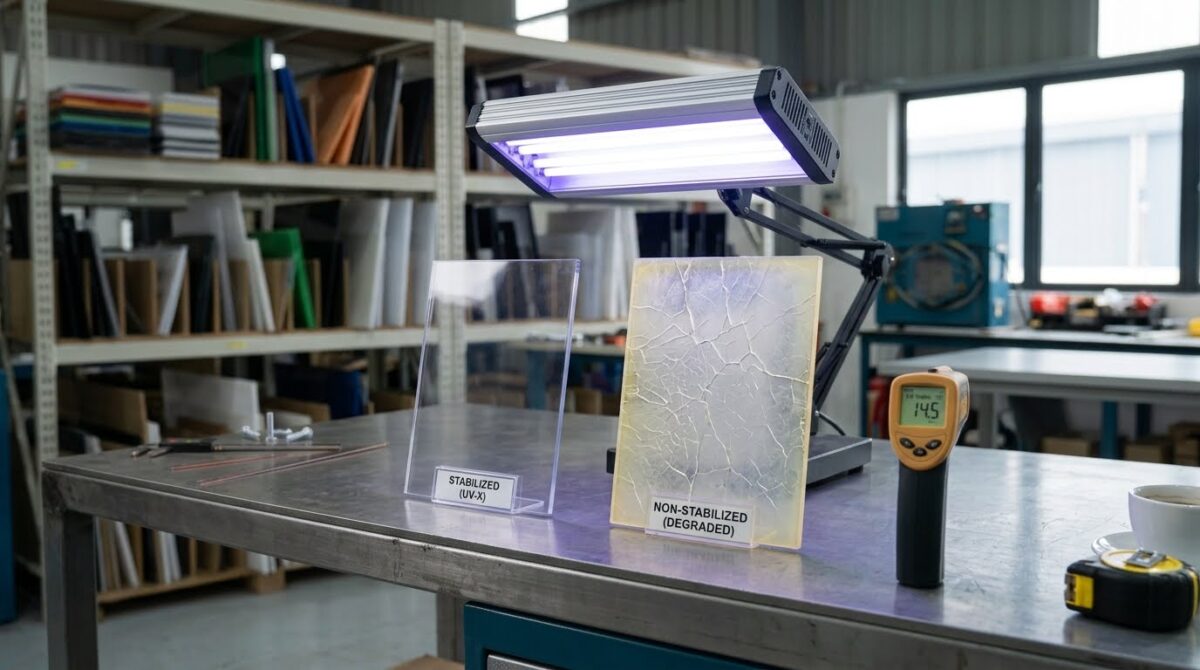
Outdoor applications expose plastic sheets to sunlight and ultraviolet (UV) radiation.
Prolonged UV exposure can cause certain plastic materials to deteriorate over time. Depending on the material and its formulation, this may result in:
Yellowing or discolouration.
Surface chalking.
Reduced impact strength.
Loss of flexibility.
Surface cracking.
Not all plastic sheets offer the same level of UV resistance. Some materials are naturally more resistant to outdoor exposure, while others may require UV stabilisers or protective coatings.
If your project involves outdoor installation, check whether the selected material is suitable for prolonged sunlight exposure.
5. Mechanical Stress and Physical Impact
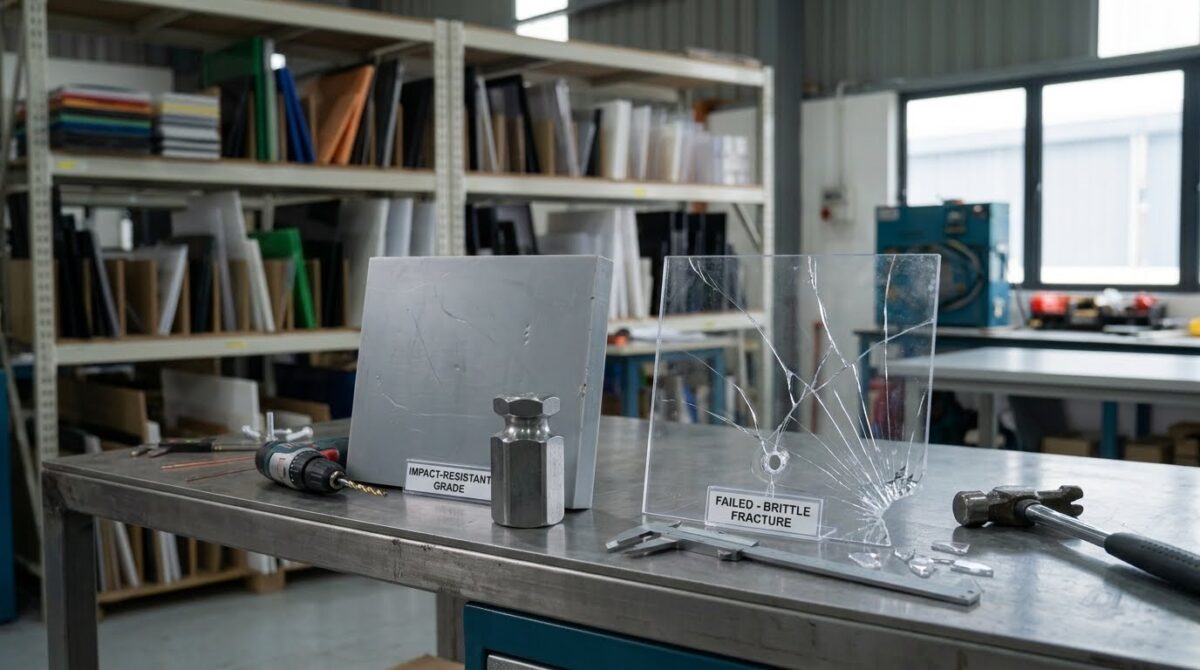
Industrial plastic sheets are frequently exposed to physical loads, vibration, friction, impact and repeated handling.
These conditions can affect their durability, especially when the material is not selected according to the required mechanical performance.
Common causes of mechanical damage include:
Excessive loading or pressure.
Repeated bending or flexing.
Heavy impact from equipment or objects.
Abrasion caused by continuous friction.
Incorrect cutting, drilling or machining.
For applications involving heavy loads or frequent physical contact, consider the material’s tensile strength, impact resistance, stiffness and wear resistance.
Proper installation and handling are equally important in preventing unnecessary damage.
6. Installation and Fabrication Methods
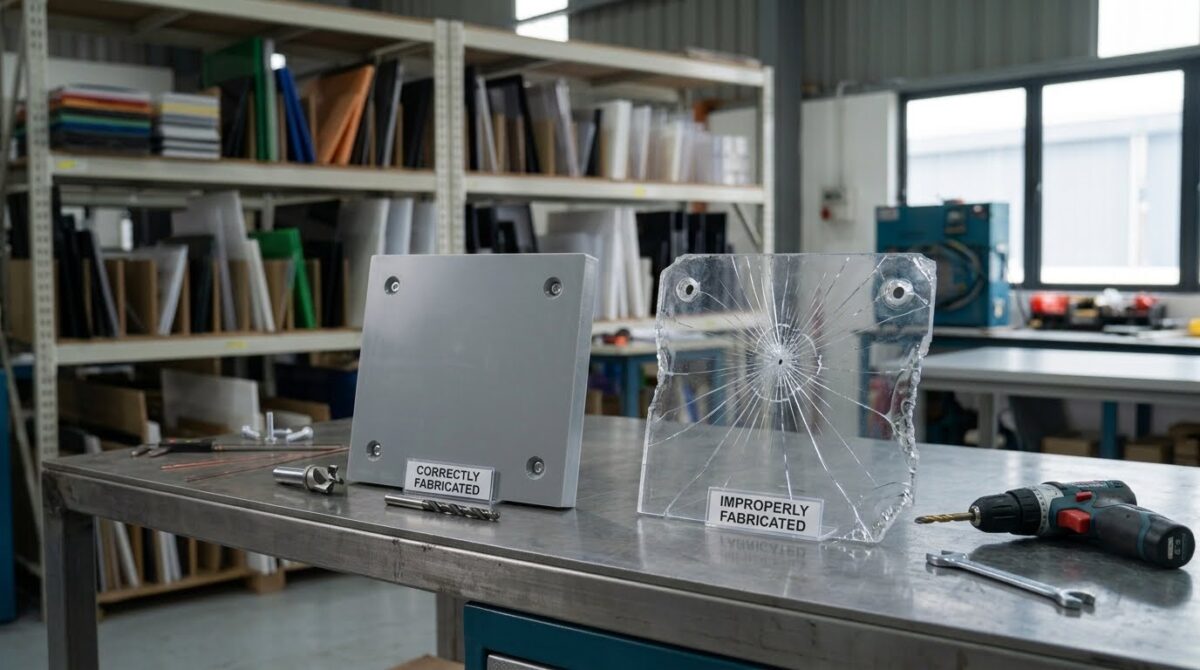
Even high-quality industrial plastic sheets can experience premature damage if they are installed or fabricated incorrectly.
Cutting, drilling, bending and fastening processes must be carried out according to the characteristics of the selected material.
Incorrect fabrication methods may cause:
Cracks around drilled holes.
Uneven edges and surface damage.
Internal stress within the material.
Warping caused by excessive heat.
Damage resulting from over-tightened fasteners.
To minimise these risks, use appropriate tools, cutting speeds and fabrication techniques for each plastic material.
Where necessary, follow the manufacturer’s fabrication recommendations and allow for thermal expansion during installation.
7. Storage and Handling Conditions
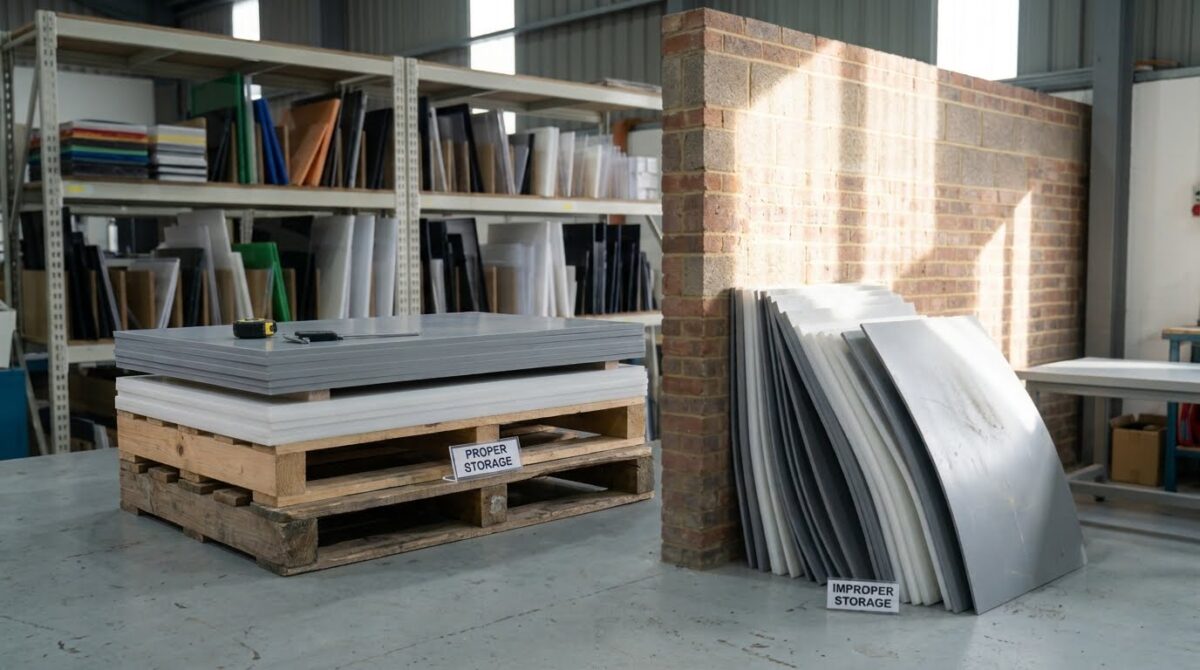
The lifespan of industrial plastic sheets can also be affected before they are even installed.
Improper storage may expose plastic sheets to moisture, excessive heat, direct sunlight, dust and physical damage.
For better material protection:
Store sheets on a flat, stable and properly supported surface.
Avoid placing excessive weight on top of stored sheets.
Keep materials away from direct sunlight when they are not designed for UV exposure.
Avoid storing sheets near heat sources.
Protect surfaces from scratches and contamination.
Follow the manufacturer’s recommended storage conditions.
Proper handling during transportation, loading and unloading is also important to prevent cracks, scratches and deformation.
8. Cleaning and Maintenance Practices
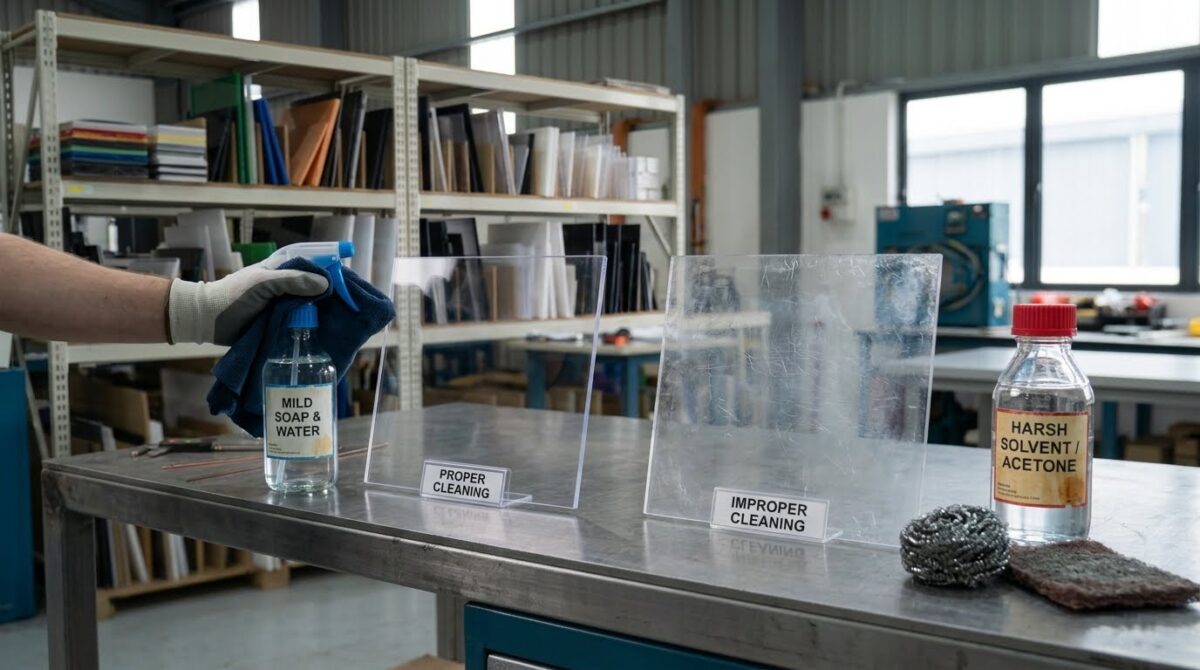
Regular cleaning and appropriate maintenance can help preserve the appearance and performance of industrial plastic sheets.
However, using unsuitable cleaning products may damage certain plastic materials.
For example, some solvents and abrasive cleaning agents may cause surface deterioration, discolouration or stress cracking.
To maintain plastic sheets properly:
Use cleaning products compatible with the material.
Avoid abrasive brushes and rough cleaning tools.
Remove chemical residues where appropriate.
Inspect surfaces regularly for signs of damage.
Address minor issues before they develop into more serious problems.
Always refer to the manufacturer’s cleaning and maintenance recommendations.
Why Choose GB PLAS as Your Industrial Plastic Supplier?
Choosing the right plastic supplier is important for businesses that require reliable materials for industrial and commercial applications. The right supplier can help simplify material selection, ensure product suitability and support your purchasing requirements.
GB PLAS aims to support businesses looking for industrial plastic sheet solutions in Malaysia.
When choosing GB PLAS, consider the following:
Industrial Plastic Sheet Solutions: Explore suitable plastic sheet options for different industrial and commercial applications.
Material Selection Support: Get assistance in understanding material properties and identifying suitable options based on your project requirements.
Application-Based Recommendations: Consider factors such as temperature, chemical exposure, mechanical stress and environmental conditions when selecting materials.
Business Requirements: Discuss your required material specifications, dimensions and purchasing needs with the team.
Whether you are sourcing plastic sheets for manufacturing, fabrication or other industrial applications, selecting a suitable material is an important step towards achieving long-term performance.
Final Thoughts
The lifespan of industrial plastic sheets depends on several factors, including material type, temperature, chemical exposure, UV radiation, mechanical stress, installation, storage and maintenance.
Choosing the right material and following proper handling and maintenance practices can help extend its useful service life and improve overall performance.
If you are sourcing industrial plastic sheets for your business, working with a reliable plastic supplier is an important step towards finding materials that meet your project requirements.
Looking for a Plastic Supplier in Malaysia?
GB PLAS can assist businesses in exploring plastic sheet options for different industrial and commercial requirements. Contact our team to discuss your material requirements and find suitable solutions for your project.
Frequently Asked Questions (FAQs)
There is no universally most durable plastic material. Polycarbonate offers high impact resistance, while materials such as polyethylene and polypropylene offer different combinations of chemical resistance and mechanical performance. The best choice depends on the intended application.
Yes. Prolonged exposure to UV radiation can cause certain plastics to become discoloured, brittle or weaker over time. Materials intended for outdoor applications should be selected with appropriate UV resistance.
Yes, depending on the material and its resistance to environmental conditions. Factors such as UV exposure, temperature changes, moisture and weather conditions should be considered before installation.
The lifespan varies depending on the plastic material, operating environment, temperature, chemical exposure, UV radiation and maintenance practices. There is no single lifespan that applies to all plastic sheets.

Plastic Sheet
GB PLAS specializes in delivering high-quality, customized plastic sheet solutions for a wide range of industries, including roofing, advertising, automation, automotive, building, furniture, and more.