
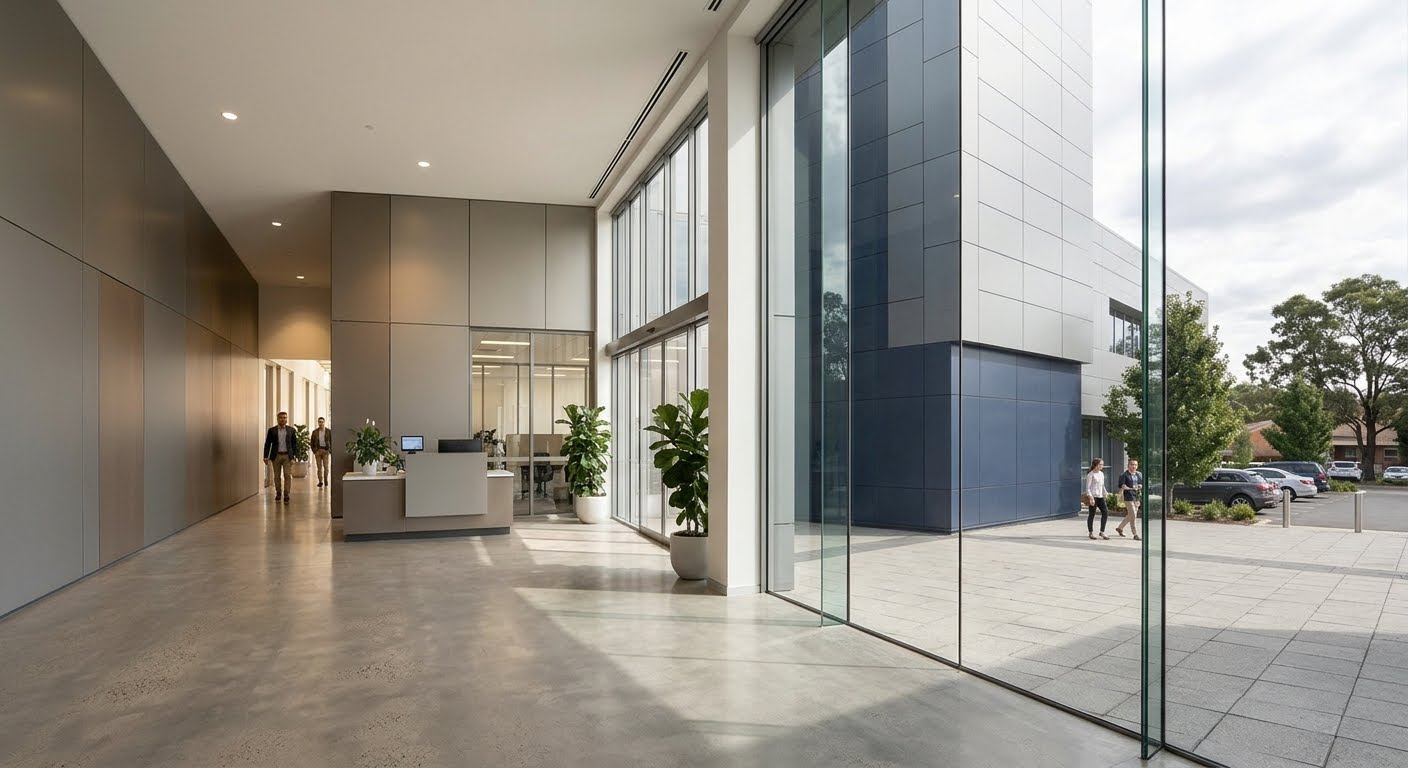
What Is the Difference Between Indoor and Outdoor ACP Panels?
Aluminium Composite Panels (ACP) are widely used in construction, interior decoration, commercial buildings and signage applications. Their lightweight structure, smooth surface and versatile design options make them a popular material for different projects.
However, not all ACP panels are designed for the same environment. Indoor and outdoor ACP panels have different performance requirements, particularly when it comes to weather resistance, surface protection and long-term durability.
Understanding these differences is important when selecting the right material for your project. Whether you are working on an interior renovation, commercial signage or building façade, choosing the appropriate ACP panel can help ensure better performance and suitability.
In this guide, we will explain the differences between indoor and outdoor ACP panels, their common applications and what to consider when choosing the right option.
1. What Are Indoor ACP Panels?
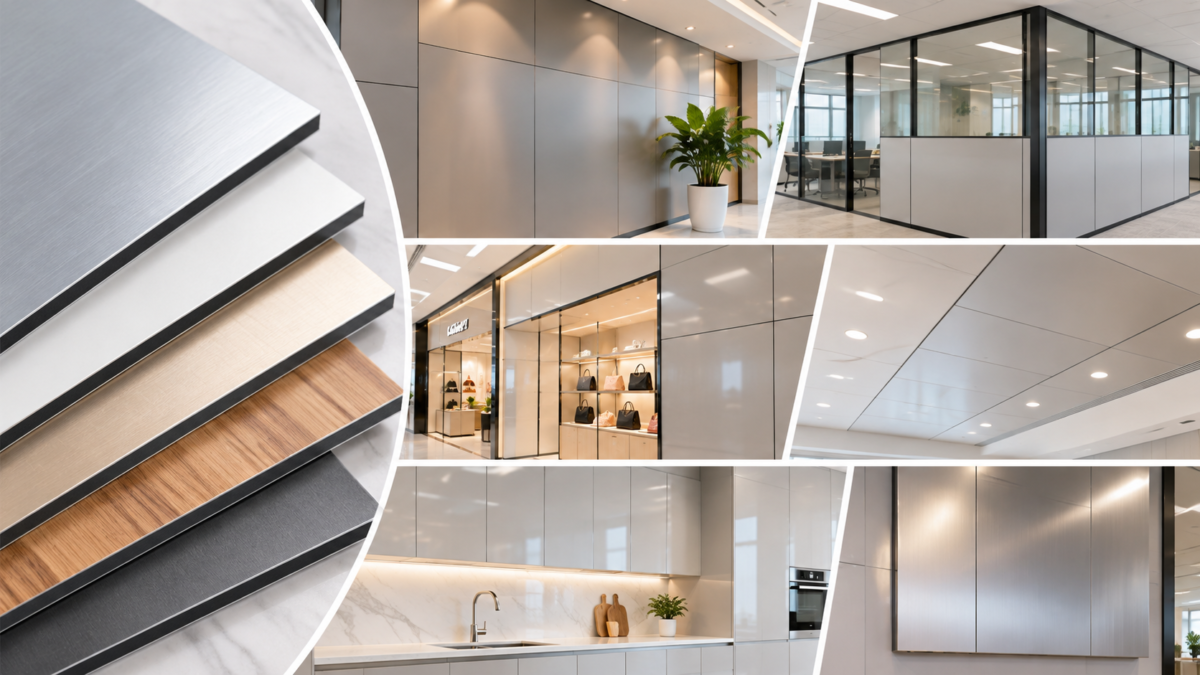
Indoor ACP panels are aluminium composite panels designed primarily for interior applications. They are commonly used in commercial spaces, offices, retail outlets, shopping malls and residential interiors.
These panels generally feature decorative surface finishes that provide a clean and modern appearance. They are available in different colours, textures and patterns to suit various interior design requirements.
Common applications of indoor ACP panels include:
Interior wall cladding
Office partitions and decorative panels
Retail shop displays
Ceiling decorations
Furniture and cabinet applications
Interior signage and display boards
Since indoor panels are generally protected from direct exposure to rain, strong sunlight and changing outdoor weather conditions, their surface coating requirements may differ from those of outdoor-grade panels.
2. What Are Outdoor ACP Panels?
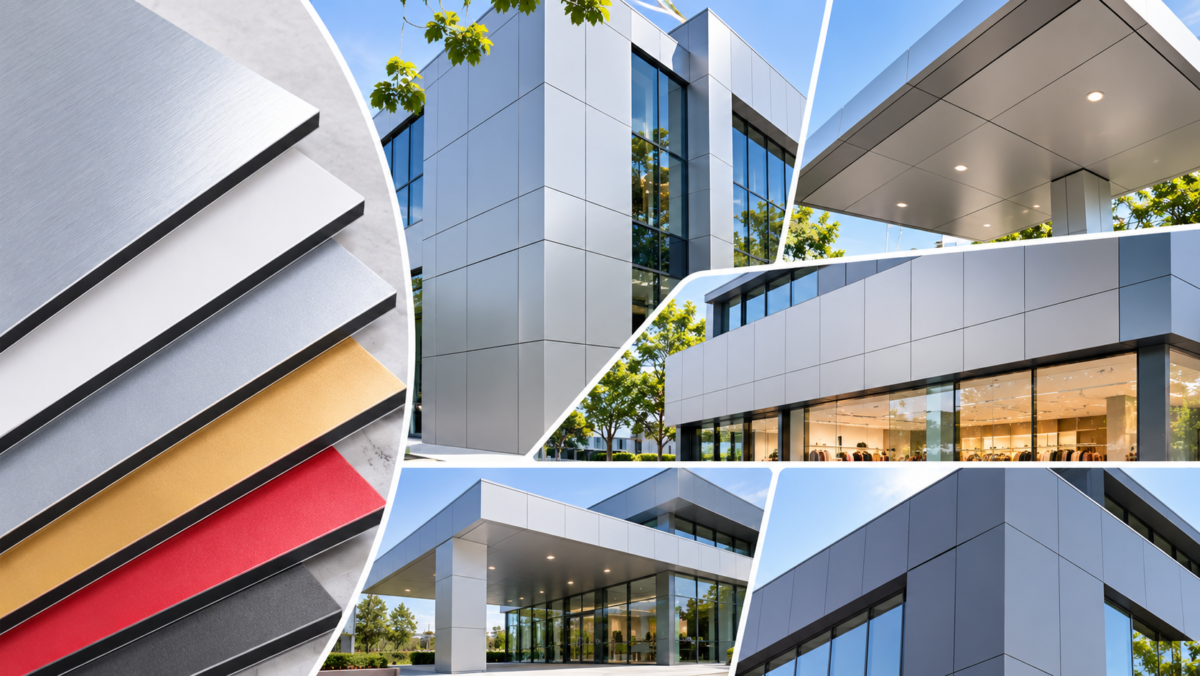
Outdoor ACP panels are designed for applications exposed to external environmental conditions. These panels are commonly used for building exteriors, commercial façades, outdoor signage and architectural features.
Unlike indoor panels, outdoor ACP panels need suitable surface coatings and material specifications to withstand environmental exposure, including sunlight, rain, humidity and temperature changes.
Depending on the product specification, outdoor ACP panels may feature protective coatings such as PVDF or other exterior-grade coating systems.
Common applications of outdoor ACP panels include:
Building exterior cladding
Commercial building façades
Shopfronts and exterior decorations
Outdoor advertising signage
Canopies and architectural features
Exterior wall coverings
When selecting outdoor ACP panels, it is important to consider coating performance, weather resistance and the manufacturer’s recommended applications.
3. Key Differences Between Indoor and Outdoor ACP Panels
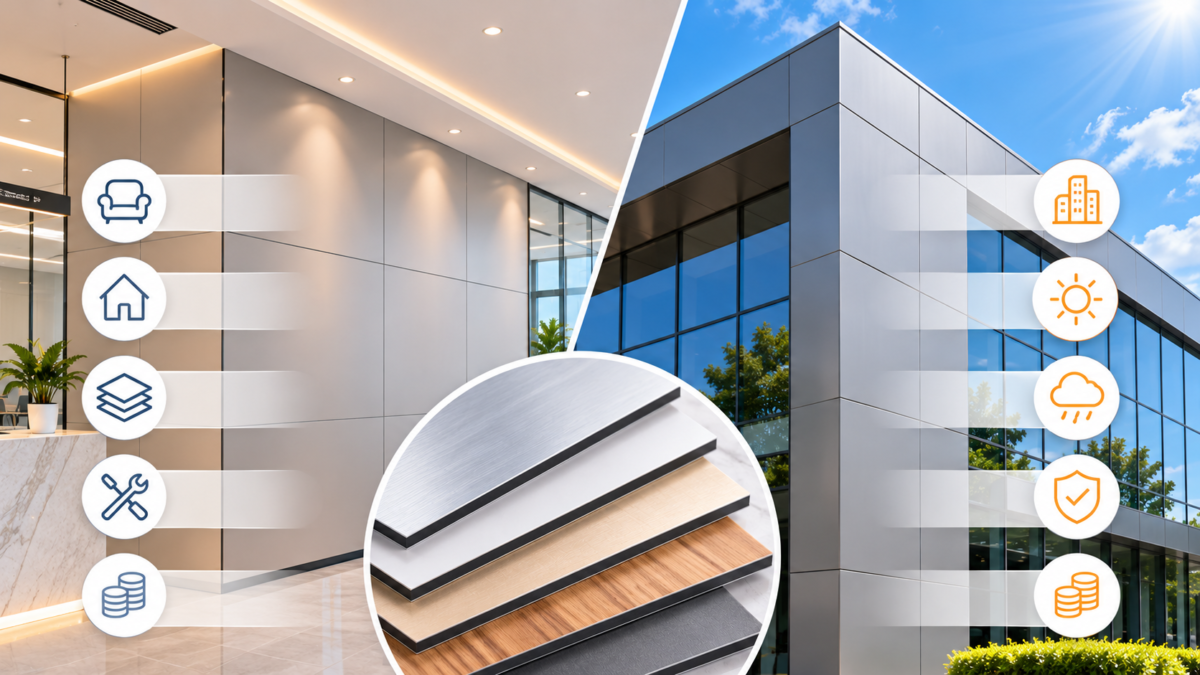
Although both indoor and outdoor ACP panels share a similar composite structure, their intended applications and performance requirements can differ.
Here are the main differences to consider:
Comparison | Indoor ACP Panels | Outdoor ACP Panels |
|---|---|---|
Main application |
Interior decoration |
Exterior cladding and signage |
Environmental exposure |
Protected indoor environments |
Sunlight, rain and changing weather |
Surface coating |
Interior-grade finishes |
Exterior-grade protective coatings |
UV resistance |
Depends on product specification |
Important for prolonged outdoor exposure |
Weather resistance |
Generally not designed for prolonged outdoor exposure |
Designed for specified outdoor conditions |
Maintenance |
Depends on surface finish and usage |
Depends on coating and environmental exposure |
Cost |
Depends on material and finish |
May be higher depending on coating and specifications |
It is important to note that the actual performance of ACP panels depends on the manufacturer’s specifications, coating system, core material and intended application.
4. Why Is Weather Resistance Important for Outdoor ACP Panels?
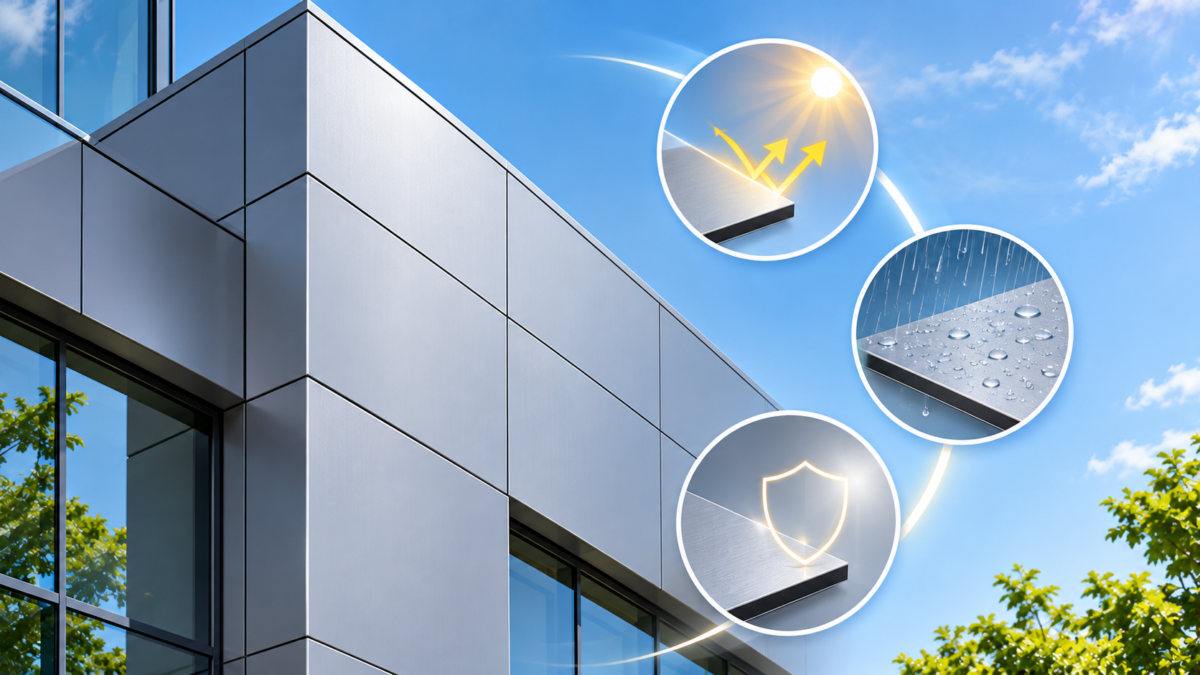
One of the most important considerations when selecting outdoor ACP panels is their ability to withstand environmental exposure.
Outdoor panels are regularly exposed to sunlight, rain, humidity and temperature fluctuations. Without suitable protective coatings, prolonged exposure may affect the panel’s appearance and surface performance.
Here are several factors to consider:
UV Resistance
Continuous exposure to ultraviolet (UV) radiation may cause certain surface coatings and finishes to fade or deteriorate over time. Choosing an appropriate exterior-grade coating helps improve resistance to sunlight exposure.
Weather Protection
Outdoor ACP panels should have suitable surface protection to withstand rain and humidity. The coating system and installation details also play an important role in maintaining long-term performance.
For further information on material testing and performance standards, refer to ASTM International, which provides recognised standards for evaluating material properties and performance.
Durability
The durability of an outdoor ACP panel depends on its overall construction, coating quality and environmental conditions. Selecting the right specifications can help reduce premature surface deterioration.
5. How to Choose the Right ACP Panel for Your Project
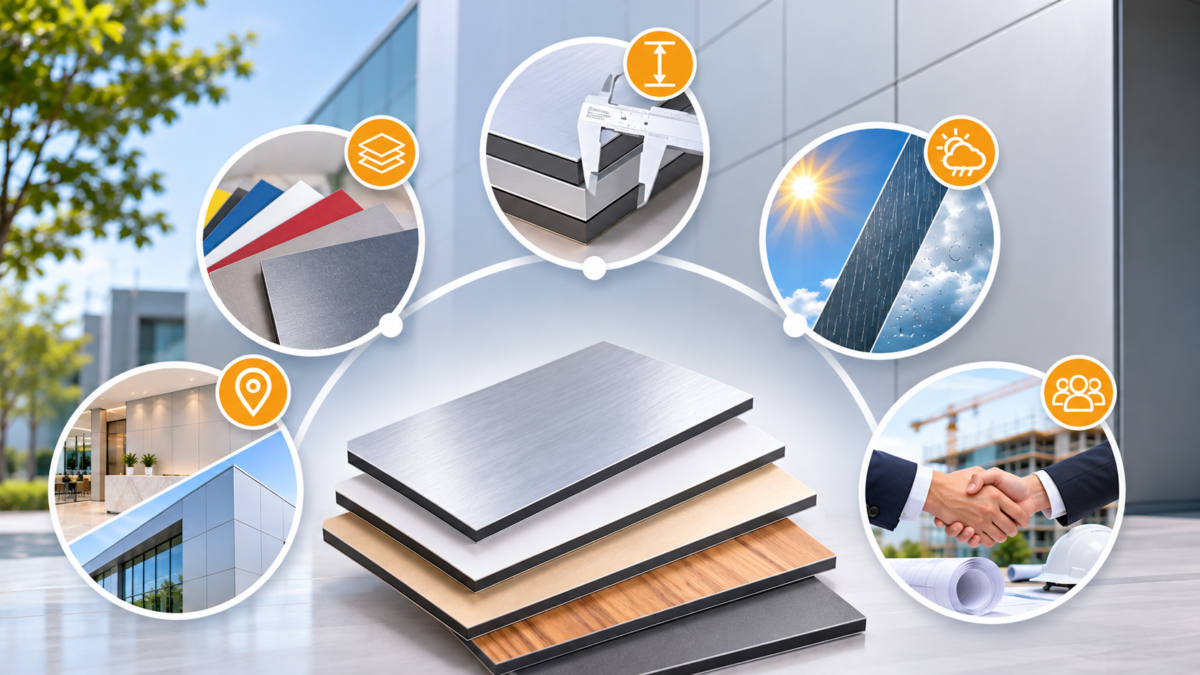
Choosing between indoor and outdoor ACP panels depends on where and how the material will be used.
Before making a decision, consider the following factors:
1. Identify the Application
Determine whether the ACP panel will be installed indoors or outdoors. This is the first step in selecting the appropriate product specification.
2. Check the Surface Coating
Different coating systems offer different levels of protection. For outdoor applications, ask about the coating type, UV resistance and expected performance under local weather conditions.
3. Consider the Panel Thickness
Panel thickness and aluminium skin thickness can affect the panel’s rigidity and suitability for different applications. Always refer to the manufacturer’s recommendations.
4. Evaluate the Environmental Conditions
Consider whether the panels will be exposed to direct sunlight, heavy rainfall, humidity or other environmental factors.
5. Choose a Reliable Plastic Supplier
Working with an experienced plastic supplier can help you identify suitable materials for your project. A reliable supplier should be able to provide product specifications, technical information and guidance on selecting the appropriate ACP panels.
If you are purchasing materials for a commercial or construction project, make sure the selected panels meet your application requirements before placing an order.
Why Choose GB PLAS?
Choosing the right ACP panel is only part of the process. Finding a reliable supplier who understands your material requirements is equally important, especially when sourcing materials for construction, renovation, signage and commercial projects.
GB PLAS aims to help businesses find suitable plastic and panel materials for their applications. Whether you are looking for indoor ACP panels for interior decoration or outdoor ACP panels for exterior applications, selecting products based on the right specifications is essential.
Here are several reasons to consider GB PLAS for your material sourcing needs:
1. Material Solutions for Different Applications
Different projects require different material specifications. From interior decoration to exterior applications, identifying the right panel for its intended use helps ensure better suitability and performance.
2. Guidance on Product Selection
Not sure whether you need indoor or outdoor ACP panels? Understanding the differences in coating, thickness and environmental resistance can help you make a more informed purchasing decision.
3. Suitable Materials for Commercial and Industrial Projects
Selecting the right materials is important for businesses involved in construction, renovation, signage and other commercial applications. Consider your project requirements carefully when comparing available products.
4. A Supplier for Your Plastic and Panel Material Needs
Working with a reliable plastic supplier makes it easier to source materials for different project requirements. GB PLAS provides an option for businesses looking for plastic and panel materials in Malaysia.
5. Make More Informed Purchasing Decisions
Before purchasing ACP panels, it is important to understand the product specifications, intended applications and performance requirements. Having the right product information helps you select materials that are suitable for your project.
Looking for ACP Panels or Plastic Materials in Malaysia?
Whether you need materials for interior decoration, exterior cladding or commercial applications, get in touch with GB PLAS to discuss your requirements and explore suitable product options.
Final Thoughts
Choosing between indoor and outdoor ACP panels depends on the intended application, environmental exposure and required performance.
Indoor ACP panels are suitable for interior decoration and commercial spaces, while outdoor ACP panels are designed for applications that require greater resistance to sunlight, rain and changing weather conditions.
Before purchasing, always review the product specifications and ensure the selected panels are suitable for your project.
If you are looking for a reliable plastic supplier in Malaysia, choose us that understands different material requirements can make it easier to identify the right products for your business or project.
Frequently Asked Questions (FAQs)
Indoor ACP panels are generally not recommended for outdoor applications unless the manufacturer confirms that their specifications are suitable for external exposure. Outdoor environments require appropriate weather-resistant coatings and material specifications.
The main difference is their intended application and surface protection. Outdoor ACP panels are designed with suitable coatings and specifications to withstand environmental exposure, while indoor ACP panels are primarily intended for interior use.
PVDF is one commonly used coating system for outdoor ACP applications because of its weathering and UV resistance properties. However, the suitability depends on the specific product and manufacturer’s specifications.
Outdoor ACP panels may cost more due to their coating systems and performance requirements. However, actual prices depend on panel thickness, aluminium skin thickness, core material, surface finish and manufacturer.
Aluminium Composite Panel (ACP)
Read More ...