
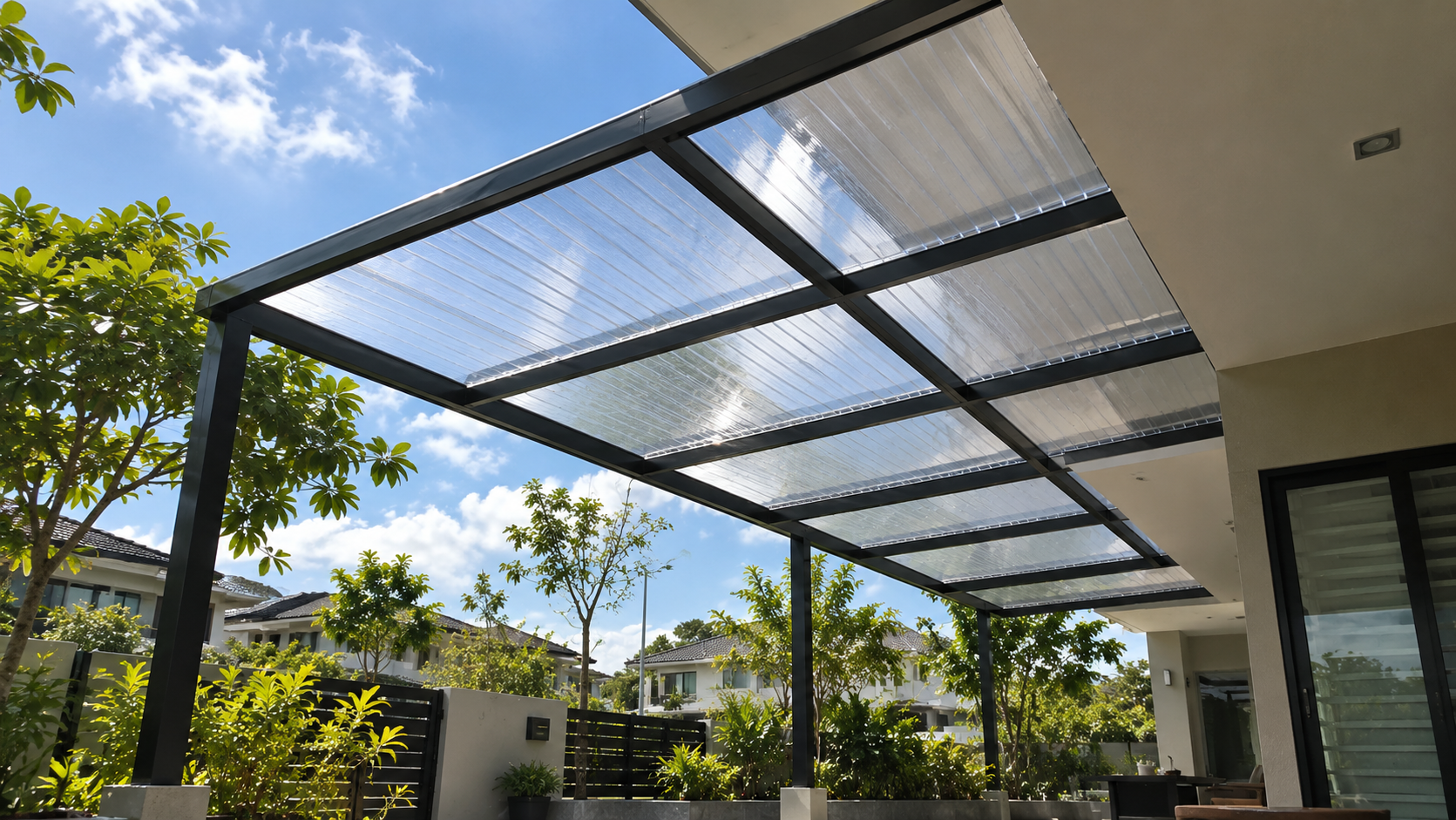
How to Choose Plastic Sheets for Outdoor Projects in Malaysia
Choosing the right plastic sheet for an outdoor project requires more than finding a suitable colour, thickness or size. The material must also be able to withstand the environmental conditions it will encounter throughout its service life.
In Malaysia, outdoor materials are regularly exposed to strong sunlight, high humidity and frequent rainfall. These conditions can affect the appearance, durability and performance of certain plastic sheets, making material selection an important part of project planning.
Whether you are installing outdoor signage, building a protective cover, creating a garden feature or sourcing materials for a commercial property, understanding the available options can help you make a more informed decision.
In this guide, GB PLAS explains the key factors to consider when choosing plastic sheets for outdoor applications.
1. Understand the Conditions Your Plastic Sheet Will Face
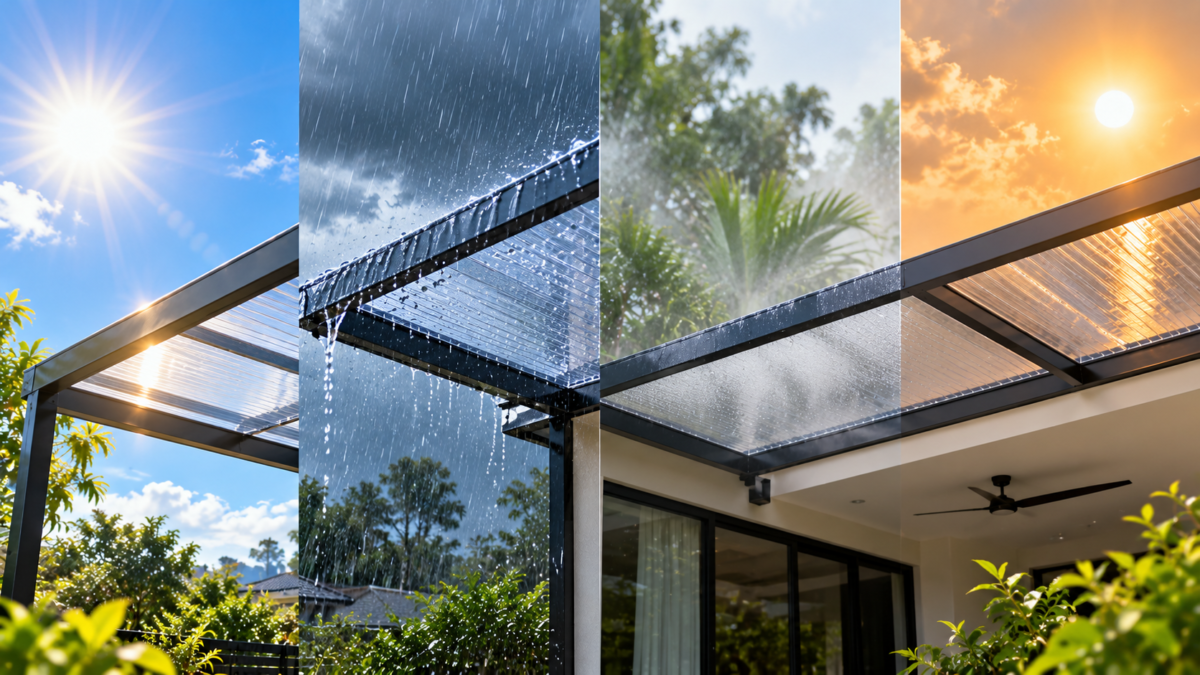
Before selecting a plastic sheet, consider where it will be installed and what environmental conditions it must withstand.
Malaysia’s tropical climate is characterised by high humidity, abundant rainfall and year-round warmth. The amount of sunlight and rainfall can vary depending on the location and season. You can learn more from the Malaysian Meteorological Department’s guide to Malaysia’s climate.
For outdoor projects, consider the following factors.
Direct sunlight: Prolonged exposure to ultraviolet (UV) radiation can cause certain plastics to discolour, become brittle or lose some of their original properties.
Heavy rainfall: Rainwater can affect the surrounding installation, particularly if the design allows water to collect around joints, edges or supporting structures.
High humidity: Moisture in the environment may influence the condition of the complete installation, including its fixings, framework and adjoining materials.
Heat exposure: Plastic sheets can respond differently to temperature changes. Depending on the material, expansion and contraction may need to be considered during installation.
Identifying these conditions early helps you narrow down the plastic sheet options that are appropriate for your project.
2. Choose a Plastic Sheet With Suitable UV Resistance
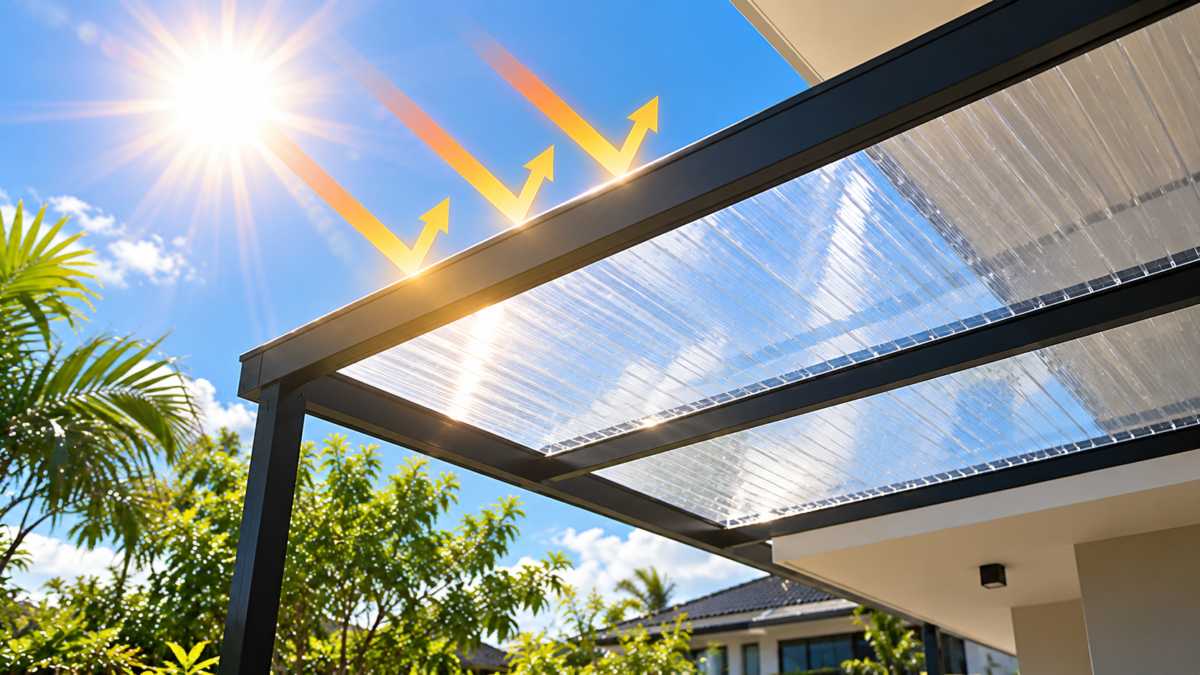
UV resistance is an important consideration when a plastic sheet will remain exposed to sunlight for extended periods.
Not all plastic sheets have the same resistance to UV exposure. Some are manufactured with UV stabilisers, protective coatings or specially designed surfaces to improve their performance outdoors.
When comparing products, check whether the specific sheet grade is intended for outdoor use. Do not assume that every sheet made from the same type of plastic will offer identical weather resistance.
For example, UV-resistant acrylic sheets are often considered for outdoor signage and decorative applications where appearance and clarity are important. UV-protected polycarbonate sheets may be suitable for applications where impact resistance is also a priority.
The appropriate choice depends on the product specifications, exposure conditions and intended use. Always check the manufacturer’s technical specifications to confirm whether a particular plastic sheet is suitable for long-term outdoor applications.
For additional technical information, refer to the International Organization for Standardization’s guidance on UV exposure and plastic degradation, which outlines methods for evaluating how ultraviolet and visible radiation can affect plastic materials.
3. Select the Right Plastic Sheet for Your Application
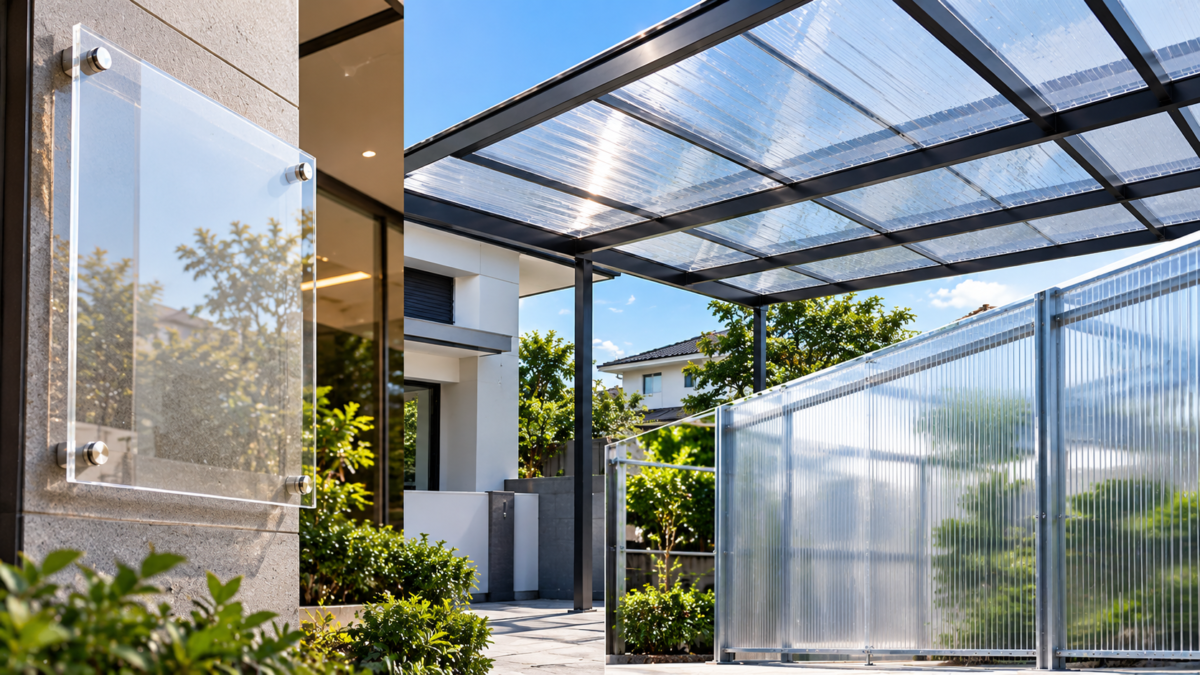
Different outdoor projects have different requirements. A sheet suitable for a decorative feature may not be appropriate for a roof covering or an area exposed to repeated impact.
Acrylic Sheet for Outdoor Signage and Displays
Acrylic sheet is frequently used where appearance, transparency and a smooth surface are important.
Potential applications include outdoor signs, illuminated signage, display features and selected decorative installations.
If you intend to use acrylic sheet outdoors, confirm that the selected grade is suitable for the expected exposure conditions. Consider the required clarity, colour stability, dimensions and mounting method.
Acrylic may be a good option when visual presentation is a priority, but it should not automatically be selected for applications that require high impact resistance.
Polycarbonate Sheet for Impact-Exposed Applications
Polycarbonate sheet is known for its high impact resistance and is used in a range of protective and building-related applications.
Depending on the product design and grade, it may be considered for protective covers, selected roofing applications, canopies and outdoor structures.
For prolonged sunlight exposure, check whether the sheet has appropriate UV protection. Also confirm its suitability for the intended installation, including the required thickness, support arrangement and environmental conditions.
Other Plastic Sheets for Specific Outdoor Uses
Other plastic sheet types may be appropriate for particular applications, depending on their composition and specifications.
For example, certain sheets may be selected for temporary signage, decorative components or specialised industrial uses. Their suitability depends on the expected service life, weather exposure and required performance.
Rather than choosing based on the material name alone, compare the technical specifications of the actual products available.
4. Consider Thickness, Size and Structural Support
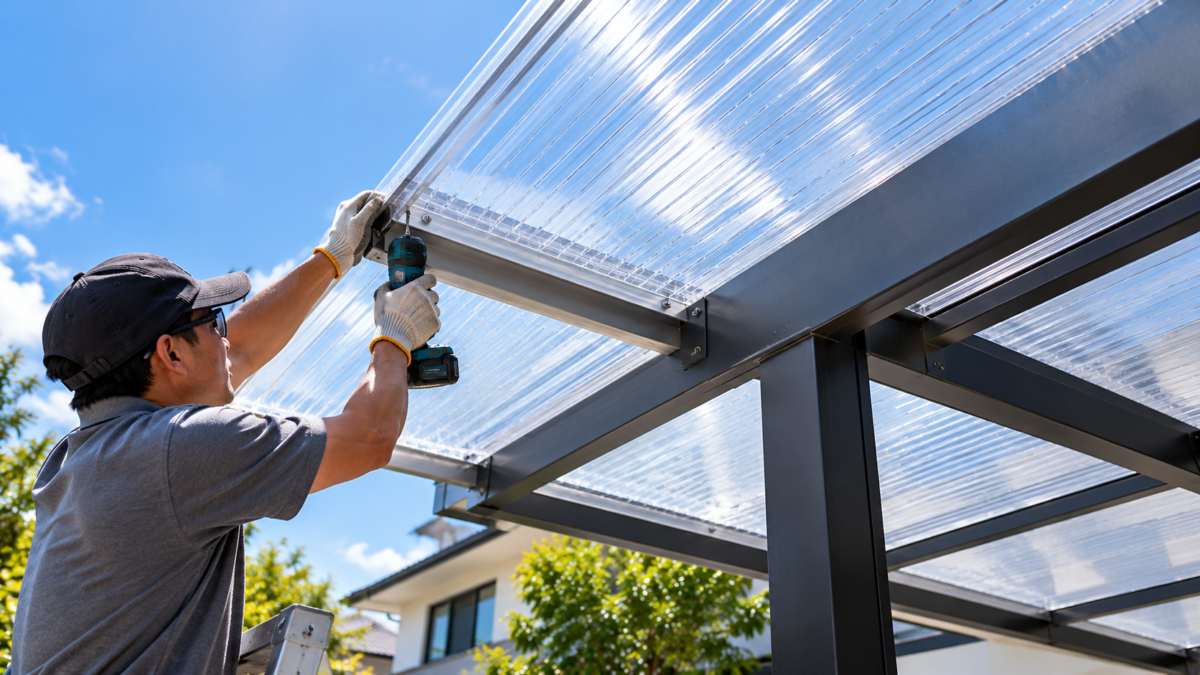
The thickness of a plastic sheet can influence its rigidity, weight and suitability for a particular installation. However, a thicker sheet is not automatically the best choice for every outdoor project.
The correct specification depends on several factors, including the sheet material, unsupported span, mounting arrangement and expected loads.
Before purchasing, consider:
The overall dimensions of the installation
The distance between supporting points
The required level of rigidity
Wind exposure and other relevant loads
The method of fixing the sheet
The manufacturer’s installation recommendations
For roofing, canopies or other structures exposed to wind and rain, the supporting framework and fixing system are just as important as the sheet itself.
Where structural performance or public safety is involved, obtain appropriate technical advice rather than relying on thickness alone.
5. Allow for Temperature-Related Movement
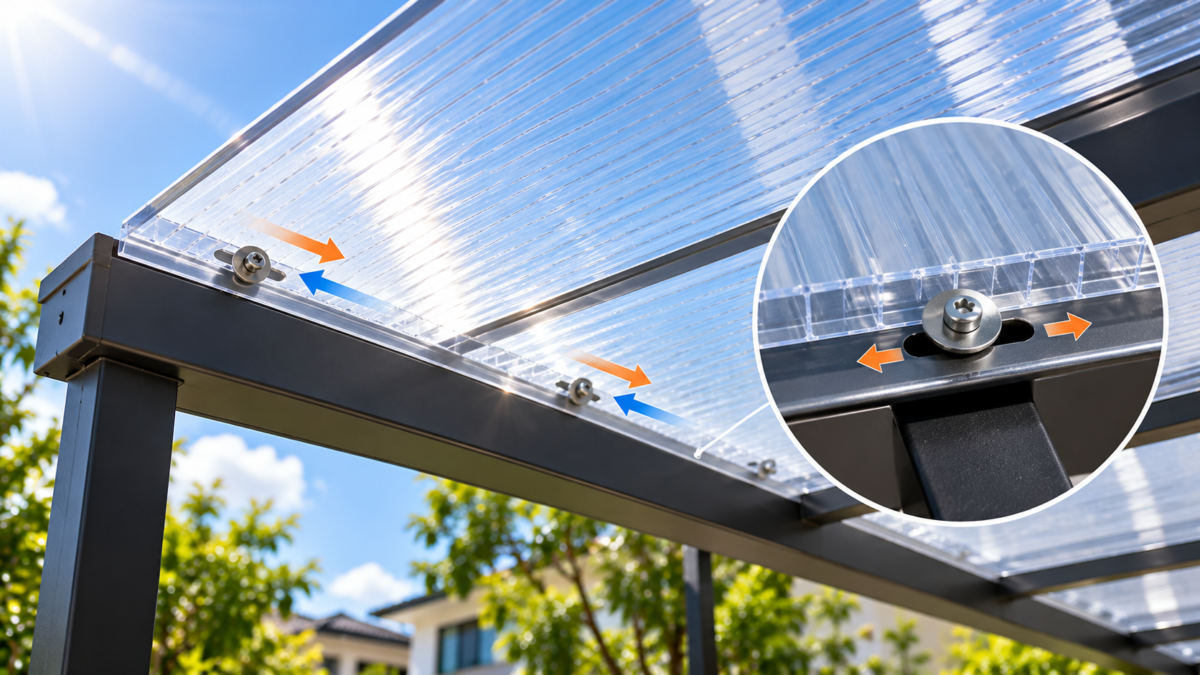
Plastic sheets can expand and contract as their temperature changes. In outdoor installations, this movement may become an important design consideration.
If a sheet is fixed too tightly or does not have sufficient allowance for movement, stress can develop around fixing points and edges. Depending on the material and installation, this may contribute to distortion, cracking or other damage.
To reduce the risk of installation problems, follow the manufacturer’s guidance on expansion allowances, hole sizes, fixing methods and edge clearances.
The required allowance varies according to the plastic type, sheet dimensions and expected temperature range. It should therefore be determined using the relevant product specifications rather than a universal measurement.
Planning for thermal movement can help maintain the condition of the installation over time.
6. Plan for Rainwater Drainage
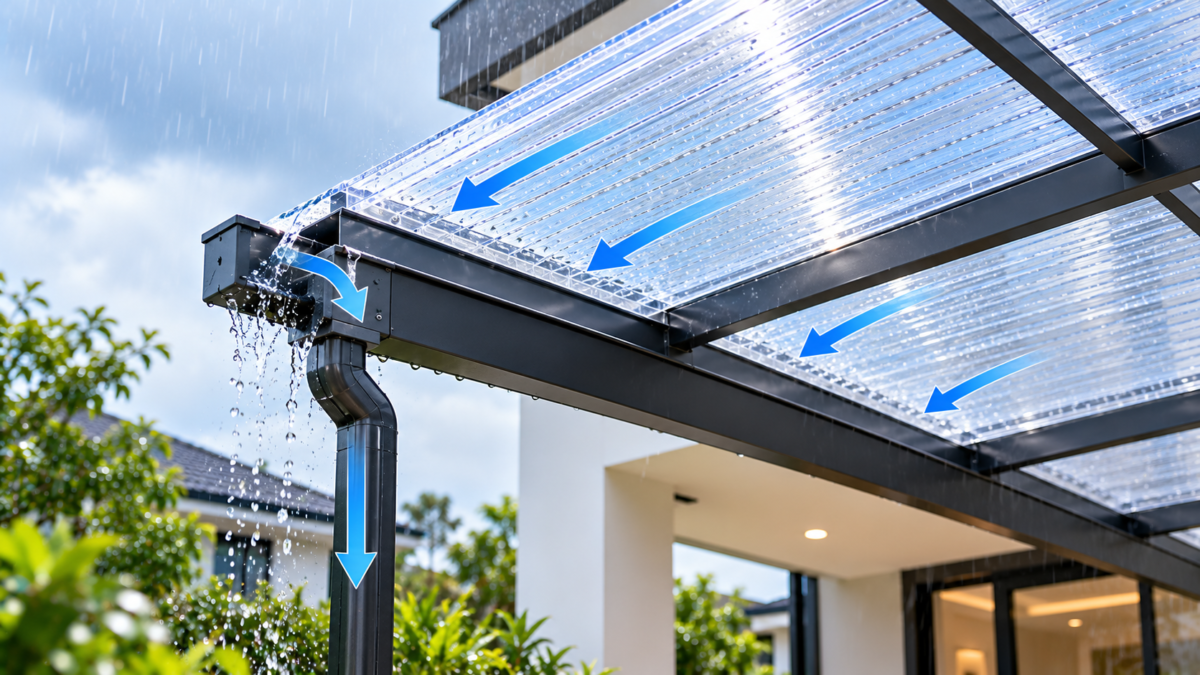
Rainwater management is particularly important for outdoor plastic sheet applications such as canopies, covers and selected roofing systems.
A poorly designed installation may allow water to collect on the surface or flow towards areas where it can cause inconvenience or damage.
When planning the project, consider the slope of the structure, the direction of water flow and the position of gutters or drainage outlets where required.
For covered entrances and walkways, ensure that discharged water does not create unnecessary hazards for people using the area.
The drainage arrangement should be suitable for the structure and local rainfall conditions. For larger installations, professional design and installation advice can help address site-specific requirements.
7. Think About Colour, Transparency and Appearance
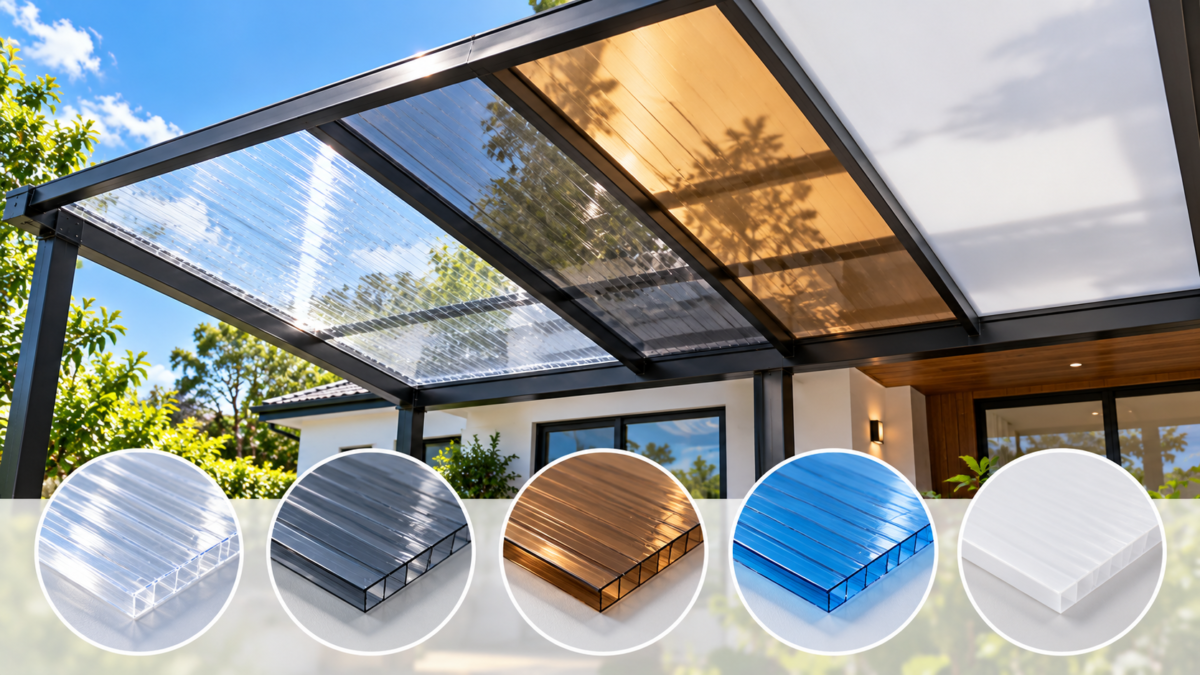
The appearance of a plastic sheet can influence both the function and visual design of an outdoor project.
Clear sheets may be appropriate when visibility or natural light transmission is important. Tinted or coloured sheets can create a particular visual effect, while opaque sheets may be preferred when visibility through the material is unnecessary.
Before choosing a finish, consider the surrounding building, the purpose of the installation and the appearance you want to maintain over time.
It is also worth checking how the selected colour or finish responds to prolonged outdoor exposure. Different products may have different levels of colour stability and weather resistance.
For commercial signage and building features, coordinating the sheet with the property’s existing design can create a more consistent appearance.
8. Consider Cleaning and Long-Term Maintenance
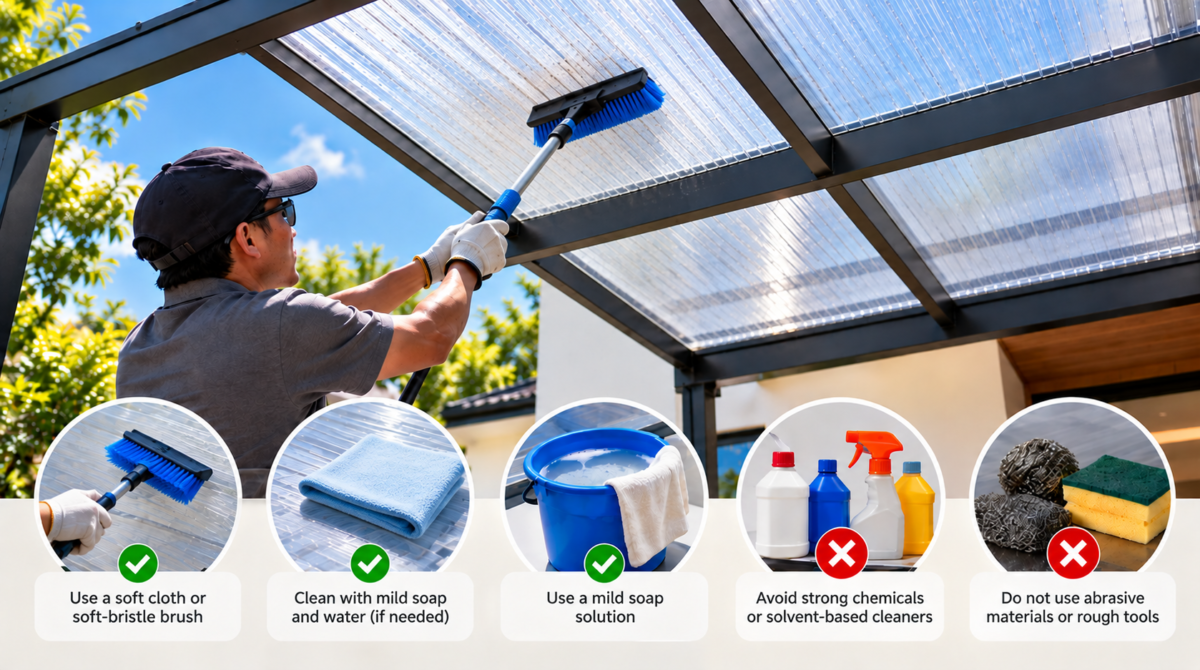
Outdoor plastic sheets accumulate dust, dirt and environmental contaminants over time. The amount of maintenance required depends on the installation location, surface finish and surrounding conditions.
Before selecting a product, check the manufacturer’s cleaning recommendations and whether the surface requires any special care.
Basic maintenance may include removing loose dirt, cleaning with suitable products and inspecting the installation for visible damage.
Avoid assuming that every plastic sheet can be cleaned with the same chemicals or tools. Some cleaners and abrasive materials can damage particular plastic surfaces, affecting their appearance or performance.
For installations that are difficult to access, such as high signage or elevated covers, consider how routine inspection and cleaning will be carried out safely.
Choosing a suitable product and following the recommended maintenance procedures can help preserve the condition of the finished installation.
9. Common Mistakes to Avoid When Buying Outdoor Plastic Sheets
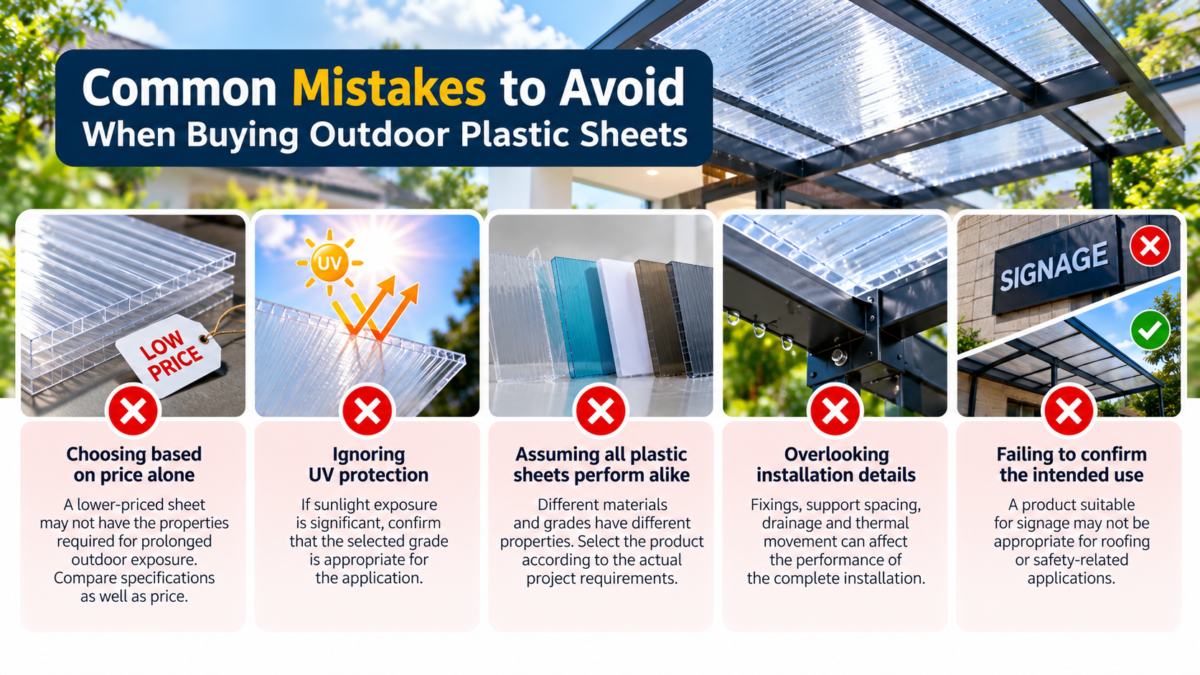
A few purchasing mistakes can lead to unnecessary costs or disappointing results.
Choosing based on price alone: A lower-priced sheet may not have the properties required for prolonged outdoor exposure. Compare specifications as well as price.
Ignoring UV protection: If sunlight exposure is significant, confirm that the selected grade is appropriate for the application.
Assuming all plastic sheets perform alike: Different materials and grades have different properties. Select the product according to the actual project requirements.
Overlooking installation details: Fixings, support spacing, drainage and thermal movement can affect the performance of the complete installation.
Failing to confirm the intended use: A product suitable for signage may not be appropriate for roofing or safety-related applications.
Taking time to confirm these details before purchasing can help you avoid selecting an unsuitable product.
Find Suitable Plastic Sheet Solutions with GB PLAS
Choosing suitable plastic sheet is an important part of achieving efficient fabrication. The material type, dimensions, thickness and intended application should all be considered before production begins.
At GB PLAS, we provide plastic and panel solutions for a range of applications. With more than 18 years of experience serving customers, we understand the importance of selecting materials that match project requirements.
Whether you are sourcing plastic sheet for signage, protective covers, interior features or industrial applications, our team can help you explore suitable material options.
Contact GB PLAS to discuss your plastic sheet requirements and identify solutions for your next project.
Final Thoughts
When choosing plastic sheets for outdoor projects in Malaysia, consider more than appearance and initial cost. UV resistance, rainfall, humidity, temperature-related movement, structural support and maintenance all play a role in determining whether a product is suitable.
By reviewing these factors before purchasing, you can make a more informed decision and reduce the risk of selecting a sheet that does not meet your project’s requirements.
The best starting point is to identify what the plastic sheet needs to do, understand the environment in which it will be installed and confirm that the selected product meets the relevant specifications.
Plastic Sheet
GB PLAS specializes in delivering high-quality, customized plastic sheet solutions for a wide range of industries, including roofing, advertising, automation, automotive, building, furniture, and more.