
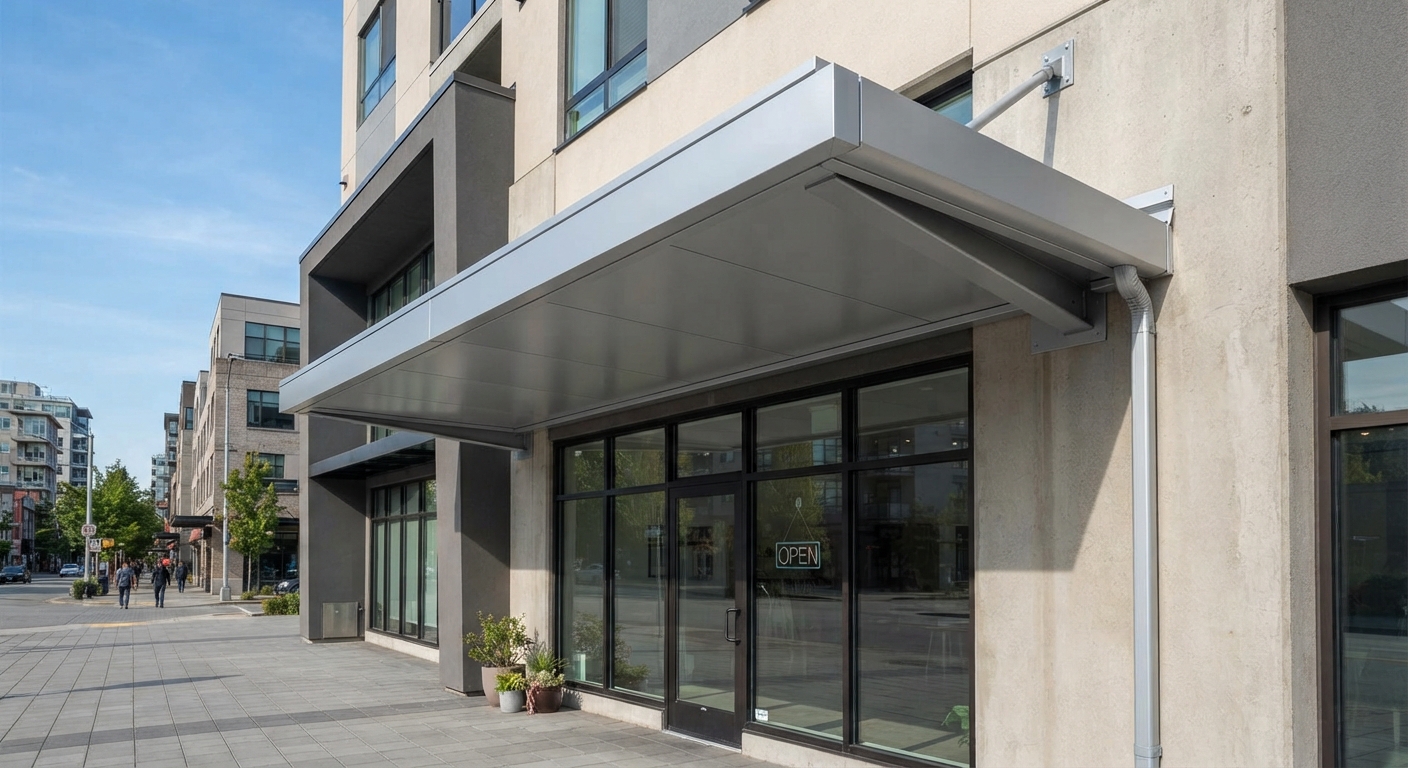
ACP Awning Design Guide: What to Consider Before Installing an Awning
An awning is more than just a cover above a doorway, window or outdoor space. The right awning can improve weather protection, complement the building’s appearance and create a more comfortable entrance or sheltered area.
For homes, shops, offices and commercial buildings, ACP awnings are a practical option because aluminium composite panels offer a combination of a clean appearance, lightweight construction and design flexibility.
However, choosing the right ACP awning involves more than selecting a colour. The size, location, design, panel finish and installation requirements should all be considered before starting a project.
What Is an ACP Awning?
An ACP awning is an awning system that uses aluminium composite panels (ACP) as the main covering material. ACP consists of aluminium layers bonded to a core material, creating a lightweight panel that can be fabricated into different shapes and designs.
Compared with a simple flat canopy, ACP awnings can be designed with different profiles, angles and finishes to complement the architecture of a building.
They can be used above:
Main entrances
Shopfronts
Windows
Walkways
Outdoor seating areas
Commercial premises
Residential properties
Building extensions
Service entrances
The design can be customised according to the building structure and the intended function of the awning.
1. Start With the Purpose of the Awning
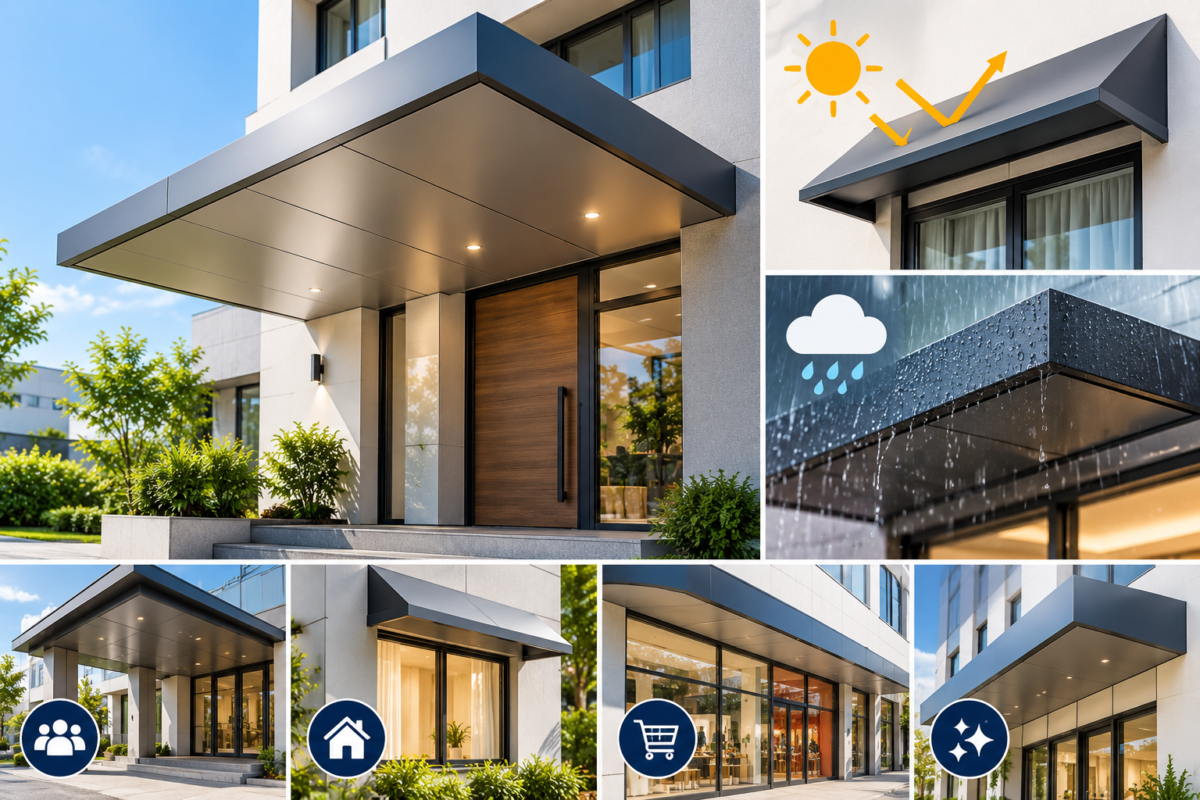
Before selecting an ACP awning, determine what you want it to achieve.
For example, an entrance awning may primarily be designed to provide shelter for people entering and leaving a building. A window awning may focus more on reducing direct exposure to rain and sunlight, while a commercial shopfront awning may need to combine weather protection with branding and visual appeal.
Identifying the purpose helps determine the appropriate size, projection and design.
Common objectives include:
Providing shelter from rain
Creating a covered entrance
Reducing direct sunlight exposure
Improving the appearance of a building
Creating a more defined entrance
Protecting doors and windows
Enhancing a commercial frontage
A well-designed awning should serve a practical purpose while fitting naturally into the overall building design.
2. Consider the Size and Projection
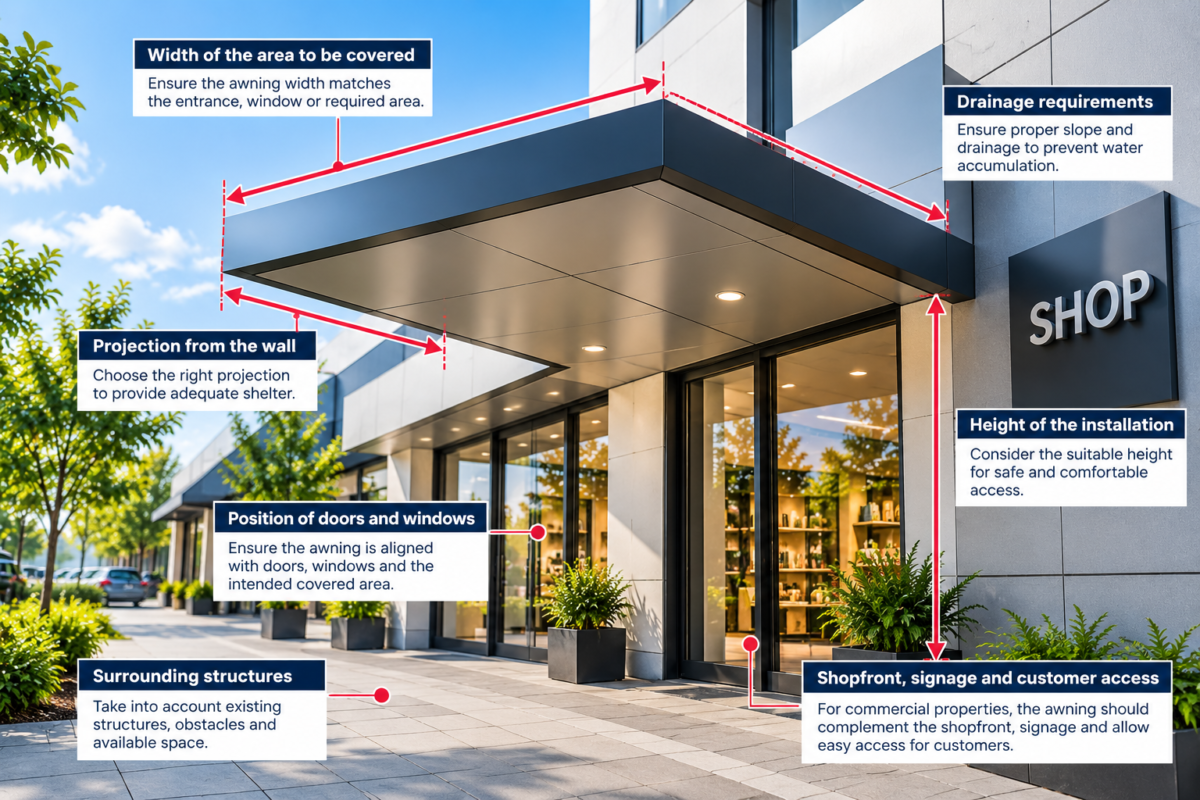
The size of an awning should match the area that needs protection.
An awning that is too small may not provide sufficient coverage, while an unnecessarily large structure can affect the building’s appearance and may require additional structural considerations.
Consider:
Width of the area to be covered
Required projection from the wall
Height of the installation
Position of doors and windows
Drainage requirements
Surrounding structures
For commercial properties, the awning should also be considered in relation to the shopfront, signage and customer access.
3. Choose a Design That Matches the Building
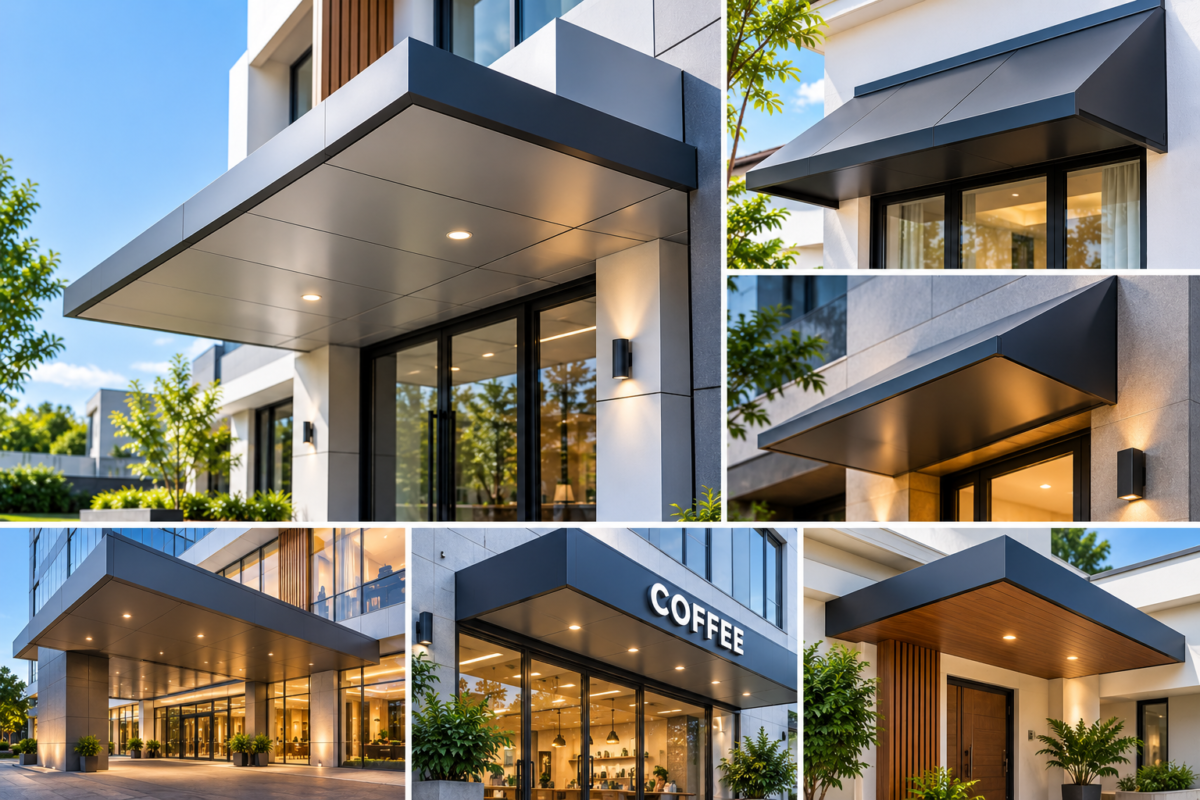
One of the advantages of ACP is its ability to support different architectural styles.
For a modern commercial building, a clean and minimalistic awning may complement the façade. For a residential property, the awning can be designed to coordinate with the home’s existing colours and exterior features.
Common design considerations include:
Flat or sloped profiles
Simple contemporary designs
Angled structures
Extended entrance canopies
Integrated signage areas
Matching or contrasting colours
Instead of treating the awning as a separate structure, consider it as part of the building’s overall design.
4. Select the Right ACP Colour and Finish
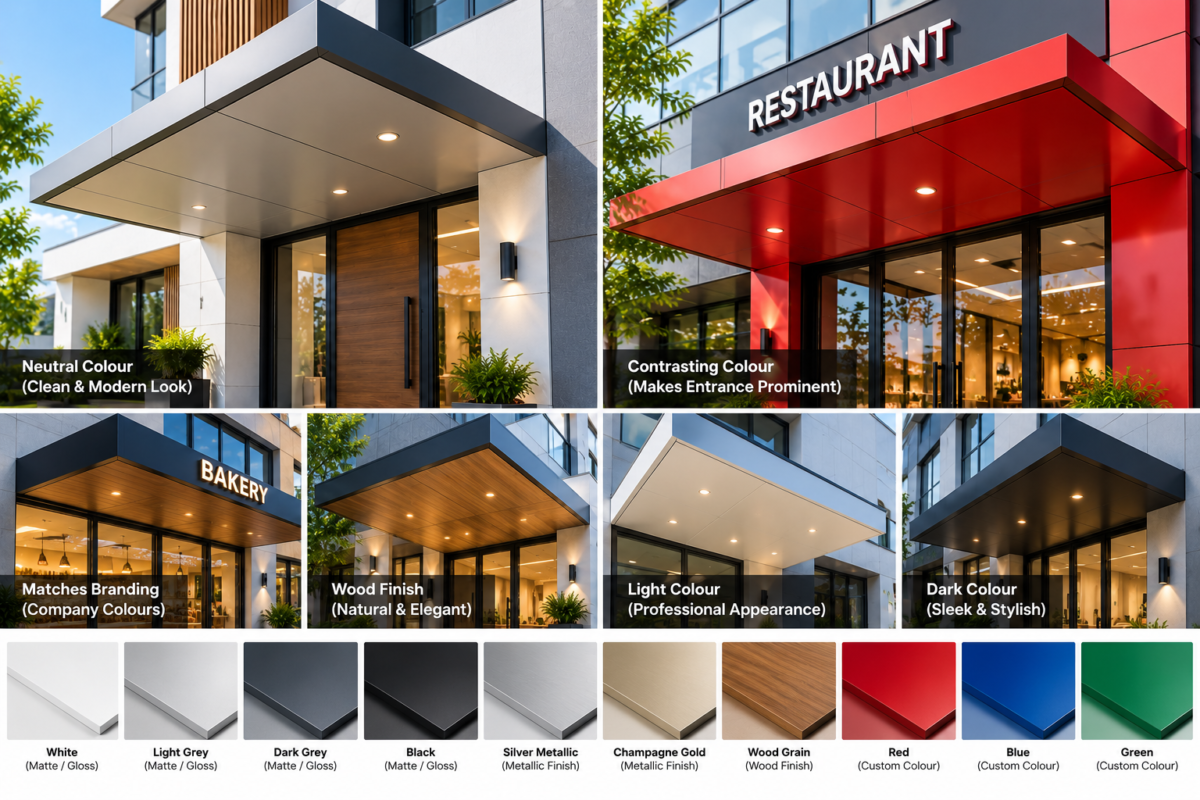
The colour and finish of an ACP awning can significantly influence the appearance of the building.
A neutral colour can create a clean and professional appearance, while a contrasting colour can make the entrance more prominent.
For businesses, the awning can also complement existing branding elements such as:
Company colours
Signage
Logos
Storefront design
Building façade
The goal is to create a consistent visual appearance rather than selecting a colour based only on personal preference.
5. Think About Malaysia’s Weather Conditions
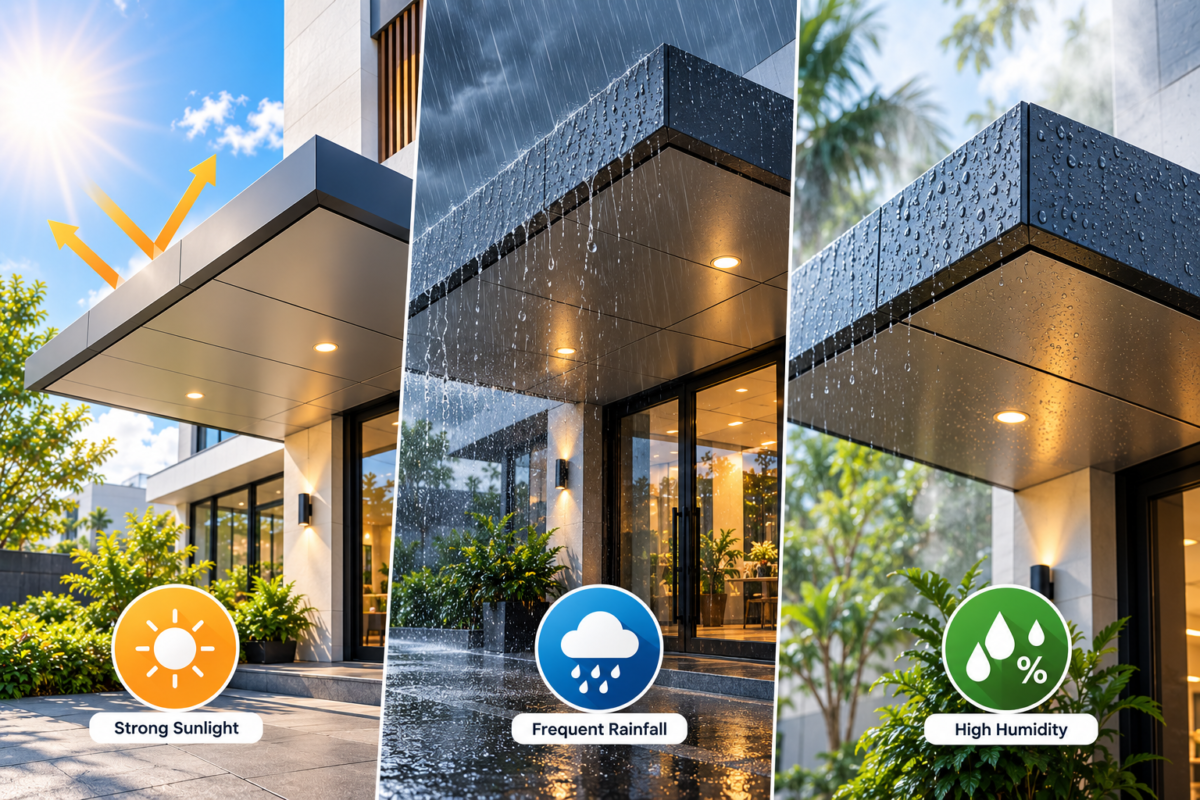
Malaysia experiences strong sunlight, high humidity and frequent rainfall throughout the year. These conditions should be considered when planning an outdoor awning.
For more information about the country’s weather patterns, refer to the Malaysian Meteorological Department’s guide to Malaysia’s climate.
An ACP awning can provide a useful covered area while helping protect entrances, windows and outdoor spaces from direct exposure to rain and sunlight.
However, the overall performance of an awning does not depend on the panel alone. Proper structural design, installation and drainage are also important.
For areas exposed to heavy rain, for example, the awning should be designed with suitable slopes and drainage arrangements to prevent water from accumulating on the structure.
6. Pay Attention to Drainage
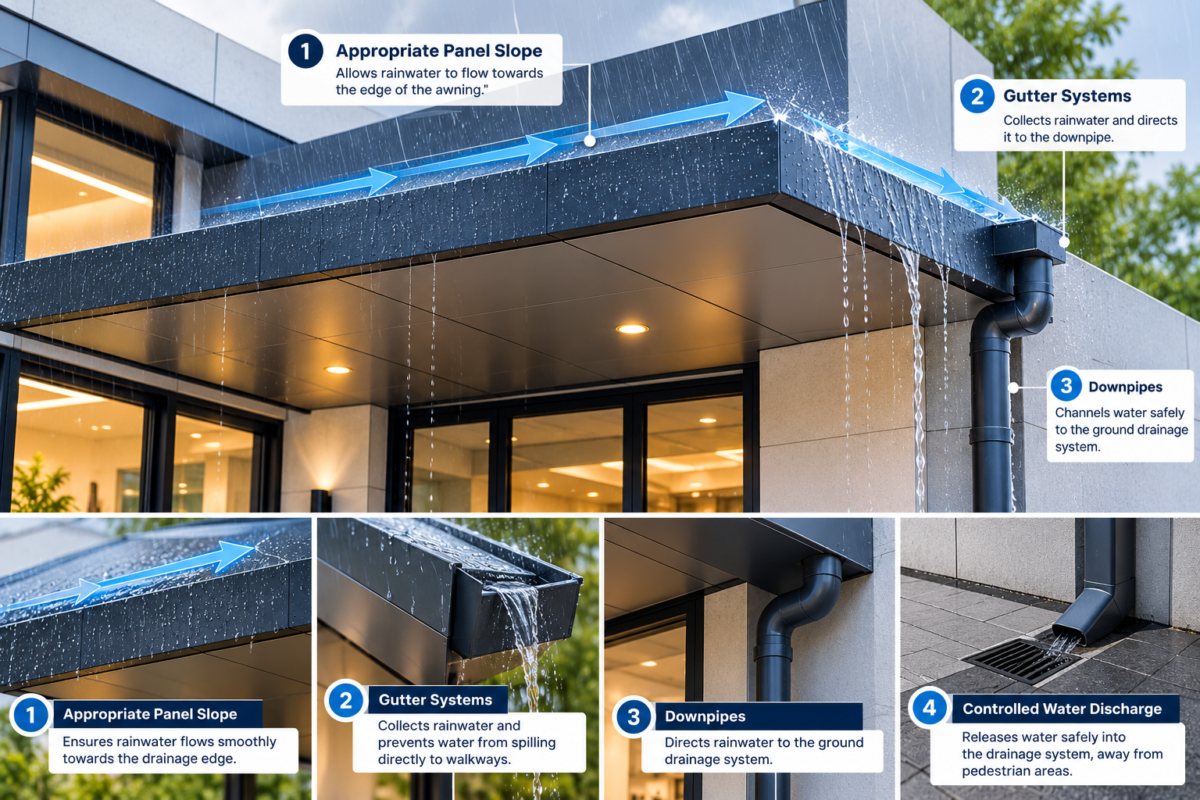
Rainwater management is an important but sometimes overlooked part of awning design.
A well-designed ACP awning should allow rainwater to flow away from the building rather than collect on the panel or discharge directly into areas where people walk.
Depending on the design, drainage can involve:
Appropriate panel slope
Gutter systems
Downpipes
Controlled water discharge
Proper positioning of the awning
Considering drainage during the design stage can help prevent water-related problems and improve the usability of the covered area.
7. Consider the Building’s Existing Structure
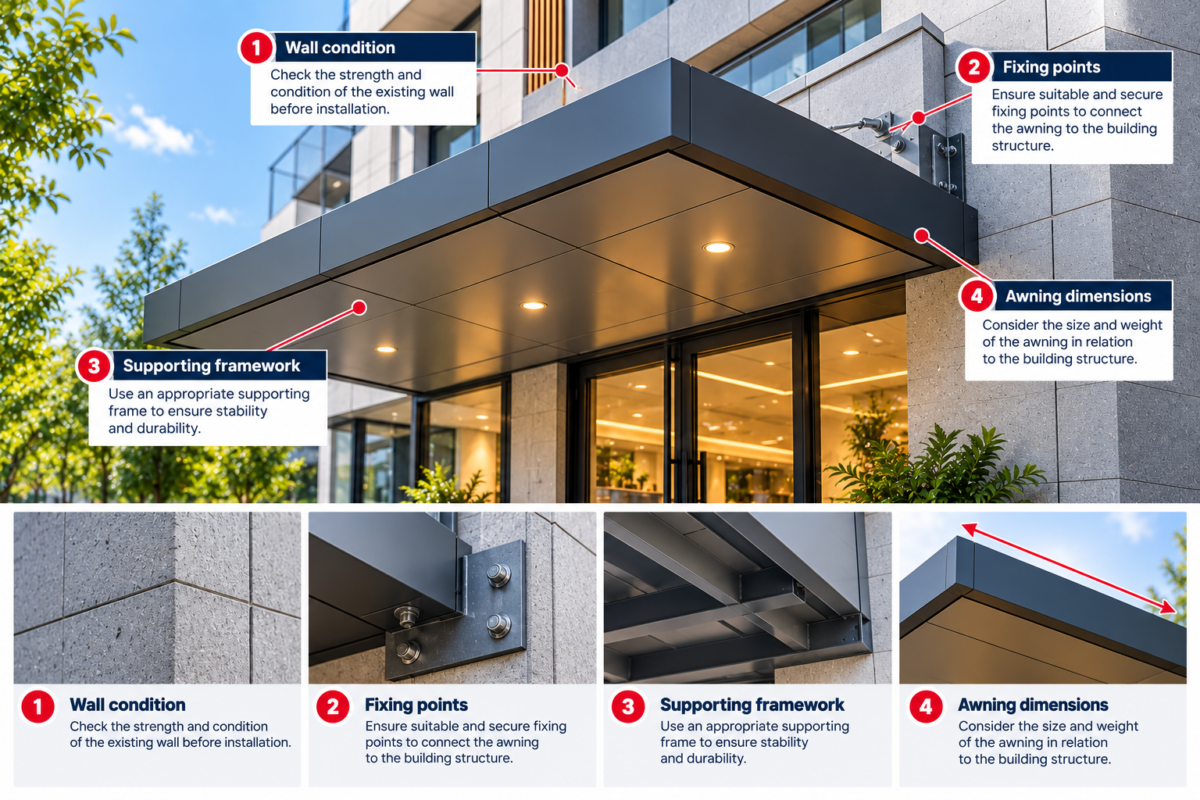
The awning needs to be securely connected to the building or its supporting structure.
Before installation, factors such as the wall condition, fixing points, supporting framework and overall awning dimensions should be considered.
For renovation projects, it is especially important to check whether the existing building structure is suitable for the proposed awning.
Professional assessment and installation can help ensure that the design is appropriate for the actual site conditions.
8. Choose a Finish That Is Practical to Maintain
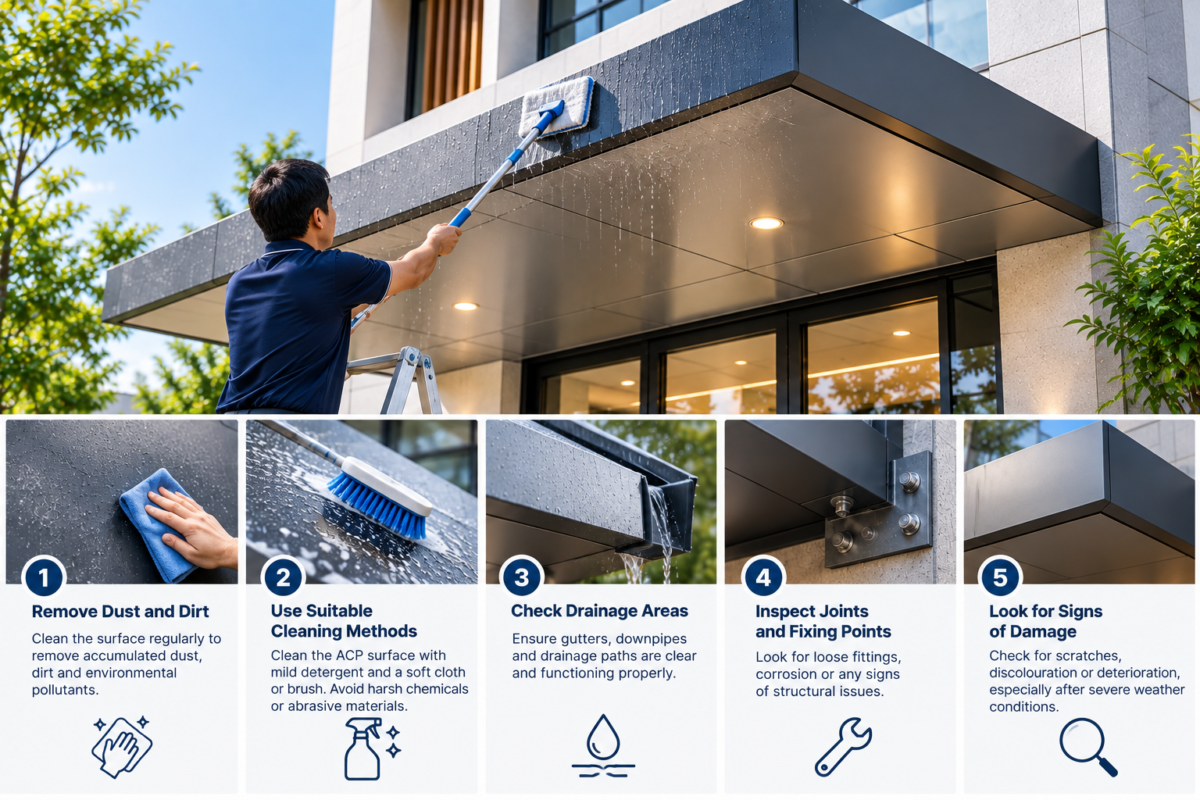
Outdoor structures are naturally exposed to dust, rain and environmental pollutants.
ACP awnings are relatively straightforward to maintain, but regular cleaning can help preserve their appearance.
Basic maintenance may include:
Removing accumulated dust and dirt
Cleaning the panel surface with suitable cleaning methods
Checking drainage areas
Inspecting joints and fixing points
Looking for signs of damage or deterioration
The required maintenance will depend on the location and environmental conditions of the installation.
ACP Awning for Residential and Commercial Applications
ACP awnings can be adapted to different types of residential and commercial properties. For residential entrances, they provide shelter from rain and sunlight for residents and visitors, while window awnings offer additional coverage and protection around windows.
For shopfronts and office entrances, ACP awnings help protect customers and visitors from the weather while creating a more professional and attractive appearance.
Restaurants can use ACP awnings to provide covered outdoor seating areas, while commercial buildings can incorporate them to enhance entrance protection and complement the overall building façade.
ACP awnings can also be installed along walkways to provide shelter between different areas of a building. With various design options available, ACP awnings can be incorporated into different architectural styles according to the functional and aesthetic requirements of each project.
Why Choose GB PLAS?
The final performance and appearance of an ACP awning depend on more than the panel material.
An experienced supplier can help with important considerations such as material selection, panel specifications, design requirements and fabrication.
At GB PLAS, we provide aluminium composite panel solutions for a range of applications, including ACP awnings. Our experience in plastic and panel solutions allows us to support customers in selecting suitable materials according to their project requirements.
GB PLAS has been serving customers for more than 18 years and supplies products for projects across different markets. Our focus is on providing practical material solutions while maintaining consistent quality and service.
Final Thoughts
A well-designed ACP awning should balance appearance, functionality and practical site requirements.
Before installing an awning, consider the purpose of the structure, required coverage, building design, ACP colour and finish, drainage, weather exposure and installation conditions.
By considering these factors from the beginning, you can create an awning that not only improves the appearance of a property but also provides useful protection for entrances, windows and outdoor areas.
Looking for ACP awning solutions for your residential or commercial project? Contact GB PLAS to discuss your requirements and find a suitable aluminium composite panel solution for your application
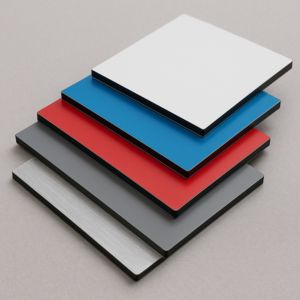
Aluminium Composite Panel (ACP)
Read More ...